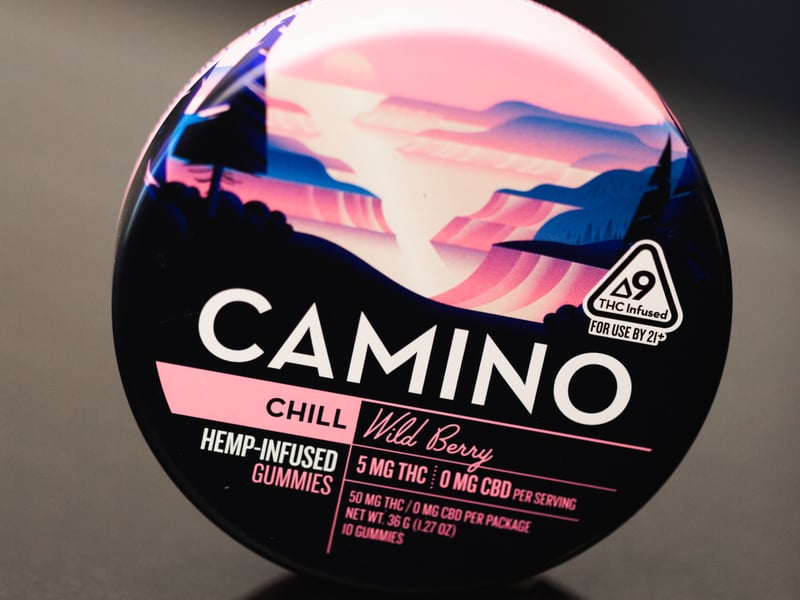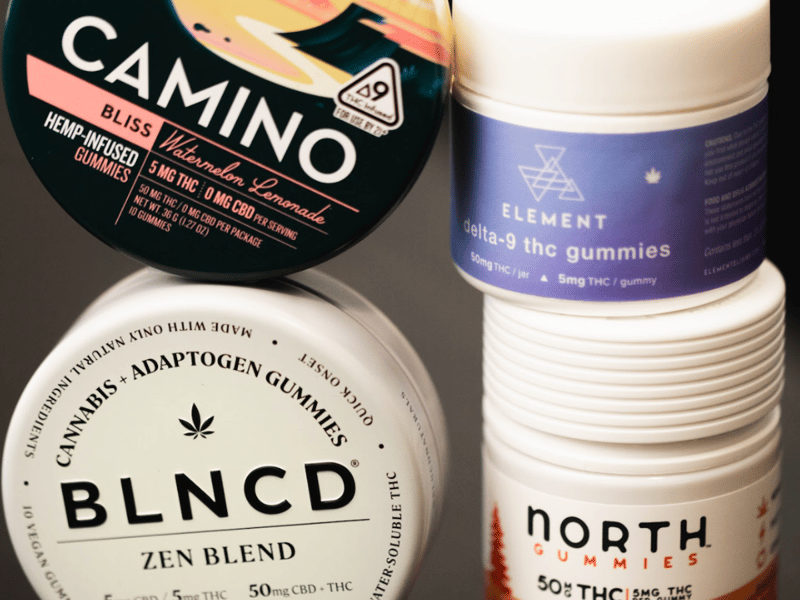

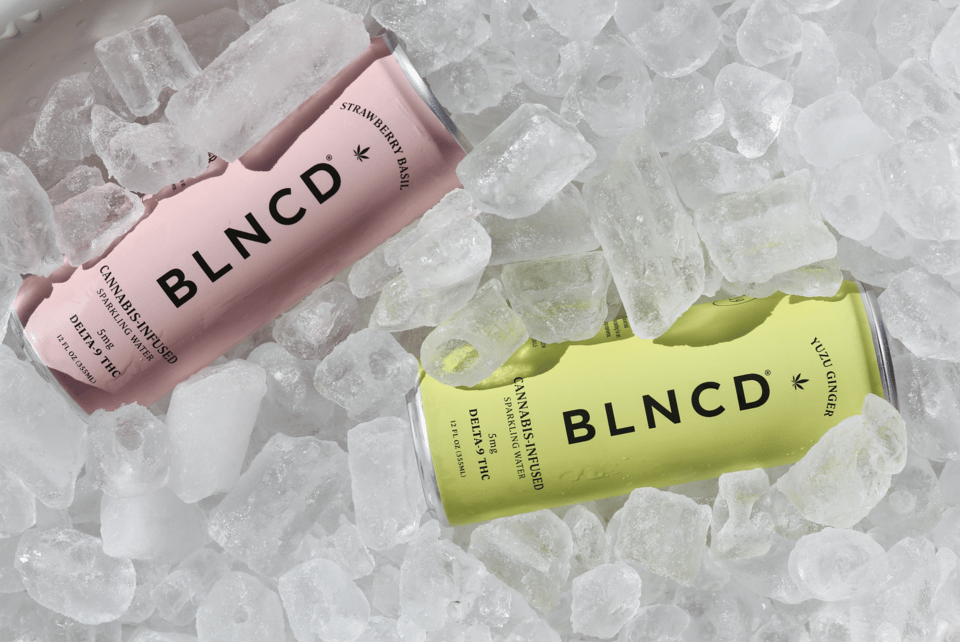
Hemp-derived cannabinoid beverages are earning more attention in the beverage aisle, giving consumers new options and retailers new questions to consider. As interest grows, shoppers are encountering unfamiliar brands, ingredients, and product claims. Two of the most recognizable names in the category, CBD and THC, are also among the most frequently misunderstood.
For retailers, understanding the difference between CBD and THC drinks goes beyond knowing what each cannabinoid does. The more useful question is what motivates someone to choose one product over another.
Consumers rarely approach a beverage cooler thinking about cannabinoid chemistry. They're considering what kind of experience they want, how comfortable they feel trying something new, and whether a product fits their preferences. Those considerations influence which beverages catch their attention, which questions they ask, and ultimately what they feel confident purchasing.
Understanding those motivations can help retailers build more thoughtful assortments, guide customers through unfamiliar products, and recognize opportunities within the growing THC | CBD beverage category.
It's Not Just About the Ingredients, It's About the Experience.
The basic distinction between CBD and THC is relatively straightforward. Cannabidiol (CBD) is nonintoxicating, while tetrahydrocannabinol (THC) produces intoxicating effects that can influence mood, perception, and cognition. The National Institutes of Health explains these differences, along with important considerations surrounding the effects and safety of cannabinoid products. But knowing the scientific difference doesn't necessarily explain why someone reaches for a particular beverage.
CBD is commonly marketed around relaxation, calm, and general wellness. Consumers who are interested in CBD beverages may be drawn to those associations, particularly if they want to explore cannabinoid products without experiencing a high. These are consumer expectations, not guaranteed effects or established health benefits.
THC beverages attract interest for somewhat different reasons. Because THC is intoxicating, shoppers may associate these drinks with changes in mood, mild euphoria, or a different kind of social drinking experience. Some consumers are also interested in THC beverages as an alternative to alcoholic drinks, although the effects and risks of THC differ substantially from alcohol.
In fact, a 2026 consumer survey conducted by Crescent Canna found that 79.4% of its 1,637 respondents identified relaxation or unwinding as a reason for consuming THC beverages. Another 65.9% selected enjoying how the beverages made them feel. The survey reflects the preferences of participating THC beverage consumers rather than all U.S. shoppers, but it offers useful insight into the experiences people associate with these products.
The important takeaway for retailers is that CBD and THC can appeal to overlapping interests without delivering the same experience. A shopper interested in unwinding may consider either category, but their expectations around intoxication, familiarity, and personal comfort can lead them toward very different purchases.
What Really Drives the Decision at the Shelf?
When shoppers compare CBD vs THC beverages, their decisions are often shaped by several considerations that have little to do with technical product descriptions. Understanding these motivations can help retailers recognize what customers need before they're ready to make a purchase.
The Experience They're Looking For
Some shoppers have a specific experience in mind before entering a store. They may be looking for a nonintoxicating beverage, exploring an alternative to alcohol, or seeking a product associated with a particular social occasion. Others are simply curious about the category and haven't determined which type of beverage interests them.
These differences matter because a customer's intended experience can be more influential than the brand, flavor, or packaging. A shopper who wants to avoid intoxication may rule out THC immediately, while someone specifically interested in THC's effects may not view a CBD-only beverage as an equivalent option.
Retailers who understand these motivations can provide more useful information without making assumptions about what a customer should purchase.
Familiarity Builds Confidence
Prior experience also plays a significant role in purchasing behavior. A customer who has previously consumed THC products may already understand their personal preferences and have questions about serving sizes, cannabinoid content, or familiar brands. Someone who has never purchased a cannabinoid beverage may need a more basic explanation before feeling comfortable making a decision.
This distinction is especially important as new consumers enter the category. In the same Crescent Canna's 2026 survey, 43.7% of respondents said they first learned about THC beverages through friends or family, while 17.5% discovered them in stores. These findings suggest that personal recommendations and retail exposure can both contribute to category discovery.
For retailers, familiarity can be built through consistent product information, approachable staff, and a shopping experience that makes the category easier to understand.
Social Occasions Influence Interest
The setting in which someone plans to consume a beverage can also shape their preferences. THC beverages may appeal to adults interested in a different social drinking experience, particularly those exploring alternatives to alcohol. CBD beverages may attract consumers interested in a nonintoxicating option associated with wellness or relaxation. These occasions aren't exclusive to either category, and not every consumer shares the same motivations.
Research published in the Journal of Wine Economics on consumer preferences for CBD- and THC-infused beverages found meaningful differences in consumers' willingness to try and pay for cannabinoid beverages. The study also identified variation across demographics and beverage types, reinforcing that cannabinoid content is only one consideration in purchase decisions.
Flavor, price, format, and occasion still matter. Retailers shouldn't overlook the familiar beverage-shopping habits that consumers bring into this newer category.
Comfort With Intoxication Can Be the Deciding Factor
Perhaps one of the most important considerations is how comfortable a shopper feels with the possibility of intoxication. CBD-only beverages that contain no meaningful amount of THC may appeal to consumers who want to avoid a high. THC beverages require a different level of consideration because their effects can vary based on serving size, individual sensitivity, prior experience, and other factors.
For first-time THC shoppers, uncertainty about those effects may create hesitation. More experienced consumers may have established preferences but still need accurate information about a particular product.
This is an area where retailers should prioritize factual, responsible education. Staff should never promise a specific experience or describe a THC beverage as risk-free. Clear labeling, accurate cannabinoid information, and reminders about impairment and delayed effects help customers make informed decisions.
Two Categories, Two Different Opportunities for Retailers
It's tempting to think of CBD and THC beverages as competing products. After all, they share similar packaging formats, occupy the broader cannabinoid beverage category, and sometimes appeal to buyers interested in similar occasions. However, treating them as direct substitutes can overlook meaningful differences in shopper motivation.
A customer interested in CBD because they want to avoid intoxication isn't necessarily a potential THC customer. Likewise, a shopper looking specifically for a THC beverage may have little interest in a CBD-only product. For retailers, this suggests that a thoughtful assortment can be more effective than approaching the category as a choice between CBD and THC.
The opportunity is to understand which products serve distinct customer interests and how those interests align with the store's existing audience. A balanced assortment might include nonintoxicating CBD beverages, THC beverages with clearly identified cannabinoid content, and products that contain both cannabinoids, provided they meet applicable legal requirements. These combinations should be evaluated individually rather than assumed to deliver the same experience as either cannabinoid alone.
Category growth is also gaining attention among beverage retailers. According to a 2025 Beverage Information Group industry survey published in Beverage Dynamics, 24% of retail respondents said THC and CBD-infused beverages were affecting their businesses, and approximately one-quarter indicated they would expand shelf space for these products if they could.
That doesn't mean every retailer needs a large cannabinoid beverage selection. It does suggest that understanding consumer interest and evaluating the category strategically can help businesses make more informed assortment decisions. The right mix will depend on customer demand, local regulations, available products, and the retailer's broader beverage strategy.
4 Tips to Make Beverage Aisles Easier to Navigate
Even when consumers are interested in cannabinoid beverages, uncertainty can prevent them from making a purchase. An unfamiliar label, unclear cannabinoid content, or a question they don't feel comfortable asking may be enough to send someone away empty-handed. Retailers can address some of these barriers by making the shopping experience more intuitive.
1. Give Customers a Clear Starting Point
Shoppers shouldn't need to study every label to determine which beverages contain CBD, THC, or a combination of cannabinoids. Clear category identification and straightforward product information can make the selection process easier. Where permitted, shelf signage can help distinguish nonintoxicating products from those containing intoxicating THC.
Retailers should also make cannabinoid content and serving information easy to locate. This is especially important when similar-looking products contain different amounts or combinations of cannabinoids.
In Minnesota, the Office of Cannabis Management provides specific packaging, labeling, and retail posting requirements for regulated cannabinoid products. Retailers should review current requirements before introducing signage or changing product displays.
2. Keep Staff Explanations Simple and Accurate
Employees don't need to be cannabinoid scientists to help customers navigate the category. They do, however, need to understand the products they're selling and how to communicate essential differences accurately.
A helpful starting point is explaining that CBD itself is nonintoxicating, while THC can cause intoxication. Staff can then direct shoppers to the product's labeled cannabinoid content, serving information, and required safety warnings.
They should also understand when a question goes beyond their expertise. Product-specific health claims, medication interactions, and predictions about how someone will feel aren't appropriate for retail staff to speculate on.
Simple, consistent education can make the shopping experience more comfortable while supporting responsible retail practices.
3. Organize Around How People Shop
Thoughtful product placement can make an unfamiliar category feel more approachable. Retailers might consider organizing products by cannabinoid type, clearly distinguishing THC-containing beverages, and making familiar product attributes such as flavor and package size easy to compare.
This doesn't require a complicated merchandising strategy. In many cases, reducing visual clutter and making important information more accessible can improve the customer experience.
Retailers should also account for applicable age restrictions, display rules, and advertising requirements. Product placement and signage must comply with the laws governing each location.
4. Pay Attention to the Questions Customers Ask
One of the simplest ways to improve a cannabinoid beverage assortment is to listen:
- Are shoppers asking for CBD beverages specifically?
- Do they seem uncertain about THC serving sizes?
- Are they looking for particular flavors, brands, or package formats?
- Do customers frequently ask how the products differ?
These conversations can reveal gaps in product education and potential opportunities to refine the assortment.
Retailers can also review purchasing patterns over time to better understand which products attract repeat customers and which generate initial interest without sustained demand. Clearer information won't guarantee a sale, but it can remove unnecessary friction from the purchasing process and help customers feel more confident in their decisions.
Your Customer = Your Opportunity
The conversation around CBD and THC drinks often begins with what makes the cannabinoids different. For retailers, the more valuable insight is understanding why those differences matter to customers. Shoppers bring different expectations, experiences, and comfort levels into the beverage aisle. Some are familiar with cannabinoid products and know exactly what they want. Others are curious but still learning what the category offers.
Recognizing those differences can help retailers make smarter decisions about product selection, education, and merchandising. It also creates opportunities to serve a broader range of adult consumers without assuming that every shopper wants the same experience.
As the cannabinoid beverage category continues to evolve, retailers who prioritize clear information and understand their customers' motivations will be better equipped to evaluate opportunities and build a selection that makes sense for their business.