
Cannabinoid products are finding their place in more retail environments, but not every format earns its shelf space the same way. Gummies could be a consistent seller in one store, but THC beverages may attract more attention in another. The difference often comes down to who's shopping, what they already purchase, and the experience they're looking for.
For retailers expanding their THC | CBD offerings, it's easy to assume that the most popular products across the broader cannabis market will also be the strongest performers locally. Yet category-wide sales figures only tell part of the story. A convenience store with limited shelf space sees different purchasing behaviors than a specialty retailer with customers comfortable exploring new cannabinoid products.
Understanding THC edibles vs. drinks requires looking beyond overall market share. Both formats offer advantages, and their performance depends heavily on where and how they're sold.
Gummies Have the Numbers, but There's More to the Story
Edibles have established themselves as a major part of the cannabis market, with gummies accounting for much of the category's success. According to 2025 cannabis beverage research from BDSA, candy products represented approximately 79% of edible sales in the regulated cannabis markets it tracked during the first quarter of 2025. Beverages accounted for approximately 6% of edible sales during that period.
Those figures highlight the established demand for gummies and other candy-based products. They also show that beverages remain a smaller part of the traditional cannabis retail market.
However, there's an important distinction for retailers considering hemp-derived THC products. Much of the available cannabis sales data comes from licensed dispensaries, which operate differently from convenience stores, liquor stores, and other businesses selling compliant hemp-derived products.
BDSA's findings provide useful context, but they shouldn't be treated as a direct forecast of how gummies and drinks will perform in every retail environment. The more practical question is what makes each format appealing to a particular shopper.
3 Ways Gummies Earn Shelf Space
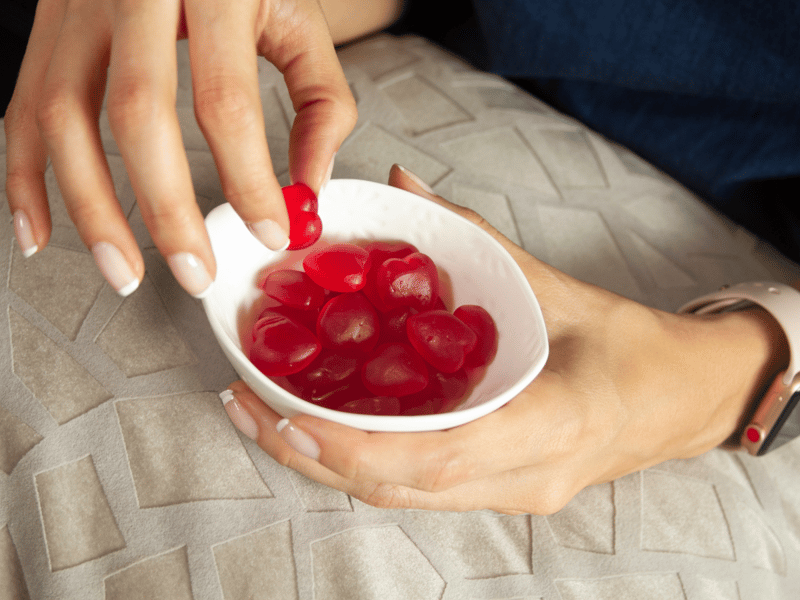
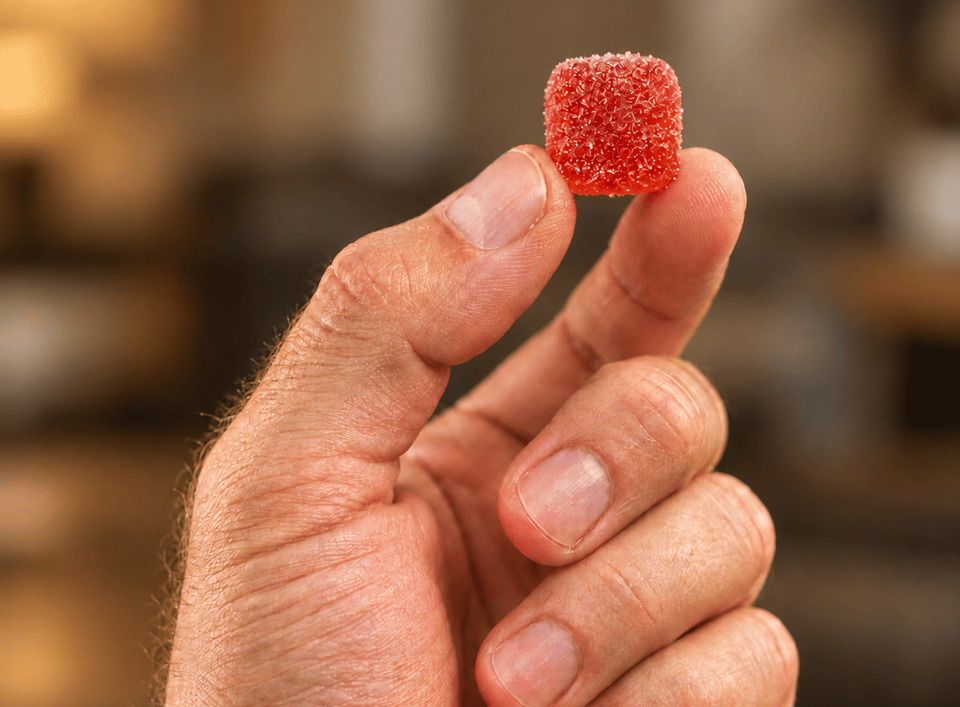
Gummies have several characteristics that make them attractive to consumers and convenient for retailers. They're familiar, compact, and generally easy to store. For shoppers who already know their preferred product, a package of gummies can be a straightforward purchase.
1. Familiarity Makes the Decision Easier
Many consumers associate THC | CBD edibles with gummies, making them one of the more recognizable formats in the category. A shopper who has previously purchased gummies may already understand the packaging, serving information, and general product experience. That familiarity can reduce the amount of education needed at the point of purchase.
For retailers, recognizable formats may be particularly valuable in environments where transactions are quick, and customers aren't looking for an extended conversation about product differences.
2. Portability and Convenience
Gummies are compact and don't require refrigeration, giving them practical advantages in stores with limited merchandising space. They can be displayed in relatively small areas, and customers can easily transport a sealed package after purchase. This makes gummies a potential fit for convenience-oriented shopping occasions.
The format also appeals to consumers who prefer a product that doesn't resemble a traditional beverage. However, retailers should never confuse discreet packaging with relaxed safety requirements. THC products must remain in compliant packaging, clearly identified, and inaccessible to children.
3. Perceived Consistency Builds Familiarity
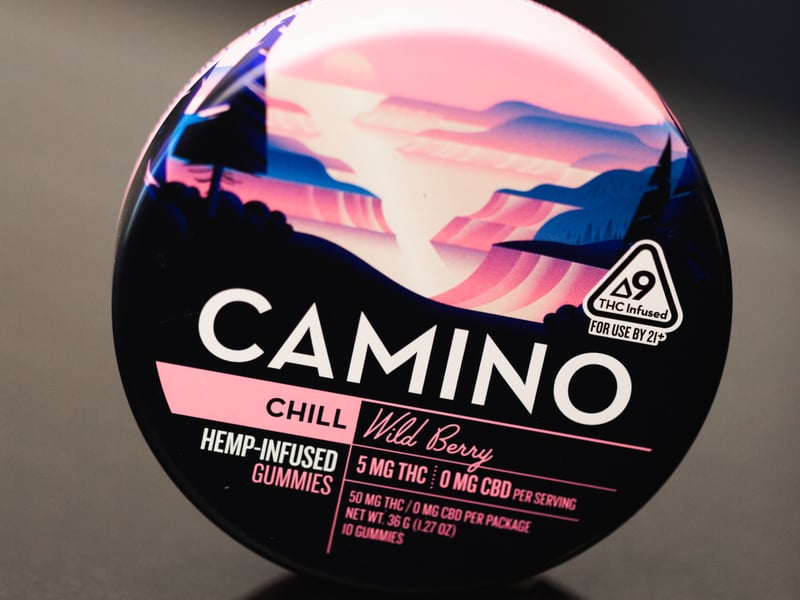
Some shoppers appreciate that individually portioned gummies provide clearly labeled cannabinoid amounts. Repeat purchasers may feel comfortable selecting a familiar product based on previous experiences. That perceived consistency can contribute to repeat consideration, although actual effects can vary based on the individual, product formulation, and circumstances.
Gummies are also commonly associated with longer-lasting effects. The Centers for Disease Control and Prevention explains that cannabis edibles can take 30 minutes to two hours to produce noticeable intoxicating effects, and those effects may last longer than expected.
For retailers, accurate education matters more than presenting one format as inherently predictable. Shoppers should understand the product's labeled potency, delayed effects, and risks associated with consuming additional THC too soon.
Why Beverages Are Finding Their Own Audience
THC and CBD beverages offer a different set of advantages. Their appeal often comes less from traditional cannabis shopping habits and more from the familiarity of the beverage category itself.
Consumers already understand canned drinks, sparkling beverages, and ready-to-drink products. That familiarity can make cannabinoid beverages easier to discover and compare, particularly among adults who haven't previously purchased gummies or other edibles.
The Beverage Format Feels Familiar
One of the biggest advantages of THC and CBD drinks is their recognizable presentation. Flavor, carbonation, package size, and branding are familiar considerations for beverage shoppers. Consumers can evaluate these attributes alongside cannabinoid content rather than navigating an entirely unfamiliar product format.
This creates an opportunity for retailers with established beverage departments. Cannabinoid drinks can be evaluated using many of the same merchandising principles that influence other beverage categories, including visibility, assortment variety, and product presentation.
Social Occasions Create Different Purchasing Motivations
Beverages also carry associations with gatherings, meals, and other social occasions. Some adult consumers are exploring THC drinks as alternatives to alcoholic beverages, while others are interested in trying something new within the ready-to-drink category. These motivations differ from those of shoppers purchasing gummies for a familiar personal-use routine.
Beverage formats may be especially appealing when the shopping occasion already involves selecting drinks for adult social settings. That doesn't mean THC beverages are appropriate for every occasion, and they shouldn't be presented as risk-free substitutes for alcohol.
Onset Expectations Can Influence Interest
Some THC beverages are marketed around faster onset, particularly products using formulations designed to improve cannabinoid dispersion or absorption. This can influence consumer interest, but retailers should be cautious about making broad comparisons between drinks and gummies.
The CDC's guidance on cannabis consumption emphasizes that the effects of ingested cannabis can be delayed and unpredictable. Formulation, cannabinoid content, and individual factors can all affect the experience. A beverage should not automatically be described as faster-acting, easier to moderate, or more predictable than a gummy. Those claims require product-specific evidence.
For shoppers, the most useful information remains accurate labeling, serving guidance, and realistic expectations.
Where Edibles May Have the Retail Advantage
Certain shopping environments naturally support the characteristics that make gummies appealing.
- In convenience-driven stores, customers often prioritize speed, familiarity, and portability. A shopper who knows exactly which gummies they want may appreciate a product that's easy to identify and purchase without browsing an extensive selection.
- Edibles also offer practical merchandising advantages for retailers working with limited space. Their compact packaging can make it easier to carry multiple products without dedicating refrigerated capacity.
- Price-sensitive shoppers may evaluate gummies based on the number of labeled servings per package or the cost relative to cannabinoid content. However, these comparisons aren't always straightforward because product strength, legal serving limits, and individual preferences vary.
Retailers should consider how these factors affect purchasing decisions rather than assuming gummies will always be the more economical choice. Industry sales data also supports the established role of edibles. Headset's cannabis edible category reporting recorded approximately $2.2 billion in U.S. sales across its tracked markets for October 2025 through September 2026, placing edibles fourth among its cannabis product categories.
That scale demonstrates the category's importance in regulated cannabis retail, although it doesn't isolate hemp-derived gummies sold through conventional retail channels. Gummies can be an attractive option when customer familiarity, compact merchandising, and convenient purchasing align with the store's business model.
Where CBD & THC Drinks Have Room to Stand Out
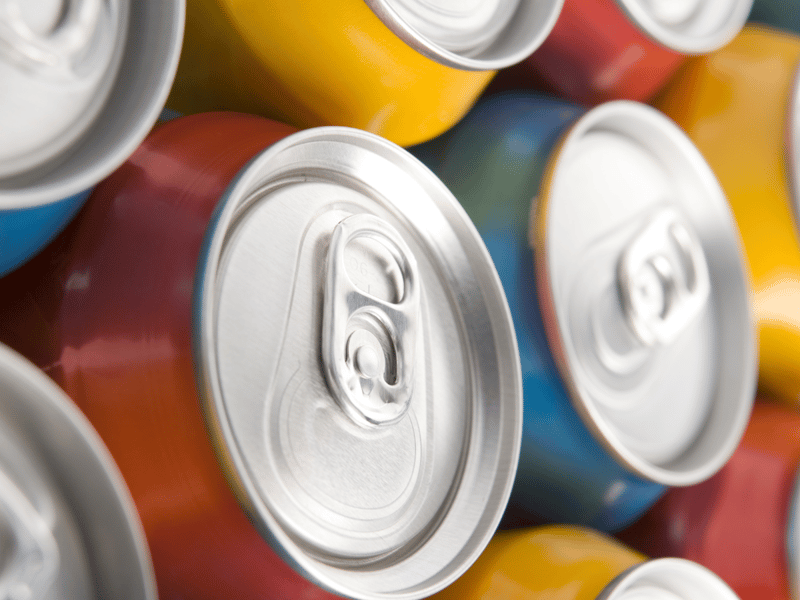
Beverages may offer a different advantage in stores where shoppers already spend time exploring drink options. A well-developed beverage department gives customers a familiar setting for discovering new products. THC and CBD drinks can benefit from recognizable packaging, flavor variety, and the visual presence of cans and bottles.
Beverage-Focused Stores Have a Natural Starting Point
Retailers with established beverage assortments already understand how product visibility, refrigeration, and flavor selection influence purchasing behavior. That experience can help when evaluating cannabinoid beverages. Shoppers may be more comfortable exploring an unfamiliar category when the products are presented in a clear, organized way.
Placement must still comply with applicable regulations, including age restrictions, product separation, labeling, and display requirements. For example, Minnesota's retail rules for lower-potency hemp edibles specifically address compliant product displays and allow qualifying beverages to be stored in refrigerators or similar cooling units.
This creates merchandising considerations that differ from gummies, which generally don't require refrigeration.
Drinks Can Support Broader Beverage Purchases
A customer shopping for beverages may already be comparing flavors, package sizes, and products for a particular occasion. That makes THC and CBD drinks a potential addition to a broader beverage assortment, provided they are clearly distinguished from nonintoxicating products. Retailers can evaluate whether cannabinoid beverages contribute to basket size, encourage category exploration, or attract customers who haven't previously purchased THC | CBD products.
These opportunities should be measured through actual purchasing behavior rather than assumed. Beverage sales can also be influenced by seasonality, refrigeration availability, package size, and shelf placement.
Visibility Can Encourage Discovery
Cans and bottles provide more surface area for branding and product differentiation than many compact edible packages. For unfamiliar products, recognizable flavors and clear package information may help attract attention.
The broader cannabis beverage category remains smaller than edibles, but it continues to attract industry interest. Headset's beverage category data recorded approximately $261.8 million in U.S. sales across tracked markets for October 2025 through September 2026. Headset also notes that its regulated-market beverage data does not fully capture the emerging hemp-derived THC beverage business outside traditional dispensaries. This distinction matters; beverage performance in a dispensary may not reflect its potential in a convenience store, liquor store, or other eligible retail setting.
The Best Assortment Isn't Always an Even Split
Retailers evaluating THC drinks vs edibles may be tempted to divide shelf space equally between the two formats. But a balanced assortment doesn't necessarily mean giving each category the same number of products. The goal is to carry products that reflect actual customer demand while leaving room to evaluate emerging opportunities.
A store with strong gummy sales may benefit from maintaining familiar products while testing a smaller beverage assortment. Another retailer with a highly developed beverage department may find that cannabinoid drinks deserve greater visibility.
Several considerations can help guide the decision:
- Customer preferences: Which formats do shoppers ask about, purchase, and return for?
- Shopping behavior: Are customers making quick, planned purchases or browsing for new products?
- Available space: How much shelf or refrigerated capacity can the store reasonably dedicate to each format?
- Product variety: Does the assortment offer meaningful choices without creating unnecessary duplication?
- Sales performance: Which products generate consistent unit sales, repeat purchases, and acceptable inventory turnover?
- Regulatory requirements: Which products can legally be sold, displayed, and promoted in the retailer's location?
A useful starting point is reviewing each format separately. Compare sales velocity, gross margin, inventory turnover, and repeat-purchase patterns when those data are available. Retailers should also evaluate the opportunity cost of dedicating space to products that aren't performing. A large selection of similar gummies may not serve customers as effectively as a smaller, more intentional assortment that includes beverages.
But the reverse can also be true.
In Minnesota, retailers should consult the Office of Cannabis Management's hemp business guidance when reviewing licensing, product eligibility, and merchandising requirements. Requirements in Wisconsin and other markets differ, so retailers should evaluate each location independently.
Let Your Customers Tell You What Belongs on the Shelf
There's no universal winner in the THC edibles vs. drinks conversation. Gummies have an established position in the cannabis market, while beverages offer a familiar format that may attract different consumer interests and shopping occasions. The strongest retail strategy recognizes the advantages of both without assuming that broader industry sales figures will translate directly to an individual store.
Understanding how customers shop, which products they return for, and how each format performs within the existing assortment can help retailers make more informed decisions. As the cannabinoid category evolves, that flexibility may be more valuable than committing too heavily to a single format.