
The growing interest in low-dose THC beverages reflects a change in how some consumers approach cannabis. While higher-potency products continue to have an established audience, lower-dose options may be more approachable for shoppers who are interested in THC but don't necessarily want an intense experience.
This is particularly relevant for those looking for alternatives to alcohol. A beverage format feels familiar, and lower-dose products can seem less intimidating than traditional cannabis edibles or other consumption methods.
According to the 2026 THC Beverage Consumer Survey from Crescent Canna, 51.1% of respondents cited avoiding the negative effects of alcohol as a reason they consume THC beverages. The survey also found that 76.6% reported reducing or eliminating alcohol consumption since trying THC drinks.
Those findings come from a survey of 1,637 adults who had previously tried THC beverages, rather than a representative sample of all consumers. Still, they illustrate how cannabinoid drinks are becoming part of the conversation around changing drinking preferences.
It's important to recognize that lower-dose doesn't mean risk-free. THC remains intoxicating at relatively small amounts, and individual responses can vary considerably. But for shoppers who want to make more deliberate decisions about potency, having lower-dose choices available can make the category easier to explore.
For retailers, that distinction matters. An assortment built exclusively around stronger products may appeal to experienced THC consumers while overlooking adults who are curious about the category but prefer a more cautious introduction.
When a Few Milligrams Make a Difference
What qualifies as a low-dose THC drink? There's no single industrywide definition, and consumer perceptions can differ based on prior experience and individual sensitivity. In many beverage assortments, products containing approximately 2–5 milligrams of THC per container are marketed as lower-dose options. Products containing around 1–2 milligrams may be described as microdose THC drinks, although microdose is a marketing term rather than a standardized scientific or regulatory classification.
These ranges help explain how products are positioned, but they shouldn't be taken as universal recommendations or guarantees about intensity. A beverage containing 5 milligrams of THC might feel relatively mild to an experienced consumer but produce substantial impairment in someone with little or no tolerance. The same amount can also affect an individual differently depending on circumstances.
Minnesota's Office of Cannabis Management explains the state's lower-potency hemp beverage requirements, including a maximum of 10 milligrams of THC in a single-serving beverage container. That legal limit doesn't mean every product below it should be considered low-dose, and requirements differ across jurisdictions.
For shoppers, consistency and transparency are often more useful than a broad description such as light or mild. Clearly labeled cannabinoid content, serving information, and product-specific instructions help consumers better understand what they're purchasing.
Retailers should also avoid suggesting that a particular milligram amount will produce a predictable experience for everyone. A consistent formulation helps consumers compare products, but it cannot eliminate individual differences in how THC is experienced.
3 Reasons Sessionable Drinks Are Getting Attention
In the traditional beverage industry, sessionable generally describes a product suited to a longer, more casual occasion without the intensity associated with stronger alternatives. That concept has found its way into THC beverage marketing, although it requires an important distinction: THC effects can accumulate, and consuming multiple lower-dose beverages can still lead to significant intoxication.
Lower potency per container does not automatically make repeated consumption safe. Still, the idea of a less intense experience helps explain why some consumers find lower-dose products appealing.
1. More Control Over the Experience
A lower amount of THC per beverage can give consumers more flexibility in selecting a product that aligns with their preferences. For shoppers concerned about stronger products, a clearly labeled lower-dose option may feel more approachable.
That sense of control is especially relevant for adults who have little experience with THC. The ability to compare clearly identified potency levels can help them make informed choices without feeling pressured toward a stronger product.
Actual effects remain variable, and consumers should follow product warnings, allow sufficient time for effects to develop, and avoid combining THC with alcohol or other intoxicants.
2. A More Familiar Social Format
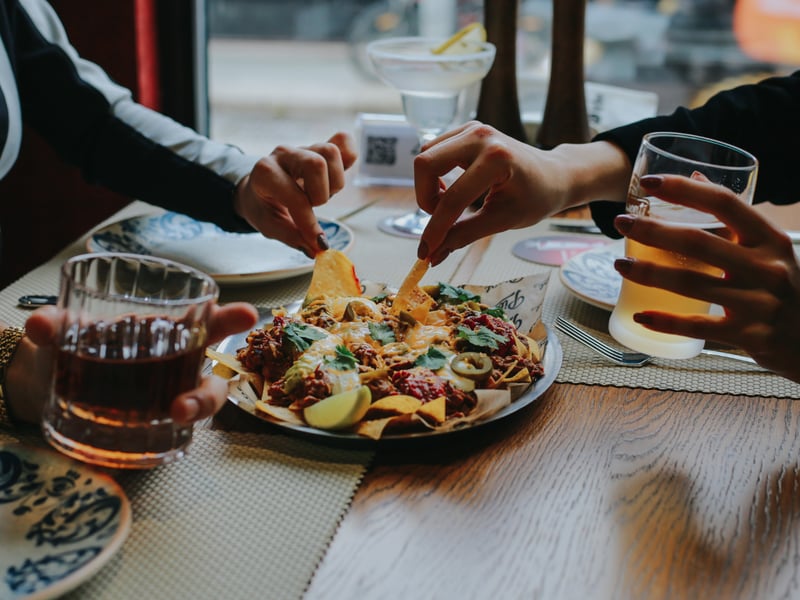
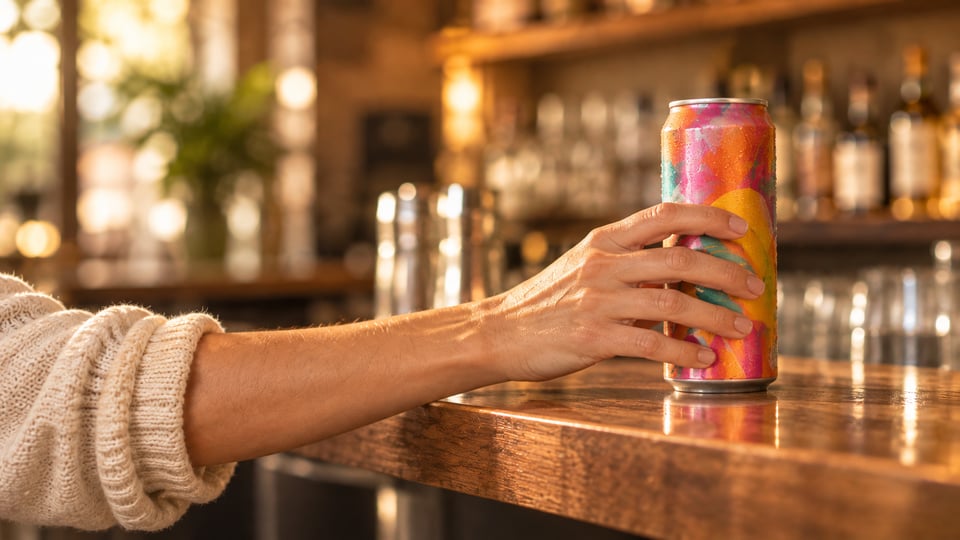
THC beverages are also attracting interest because they resemble products consumers already know. Cans, bottles, sparkling flavors, and ready-to-drink formats fit naturally into familiar beverage-shopping habits. For some adults, that makes the category easier to understand than other cannabis products.
The social appeal isn't necessarily about consuming more THC. It may be about having an adult beverage option that feels appropriate for a particular occasion, especially among consumers who are drinking less alcohol or looking for a different experience.
In a 2026 survey, nearly 70% of respondents reported consuming THC beverages at least once per week. That suggests beverages have become a recurring choice for many people within the surveyed group, although it doesn't establish that lower-dose products specifically generate higher repeat-purchase rates.
3. Less Intimidation for Curious Shoppers
First-time shoppers often face several uncertainties: how THC beverages differ from other cannabis products, what the labeled potency means, and how a particular product might affect them. Lower-dose options can help retailers address one part of that uncertainty by offering a broader range of clearly identified strengths.
But product education remains essential. Retail staff should be prepared to explain cannabinoid content and serving information without predicting effects or presenting lower-dose products as harmless. When shoppers understand what they're buying, they're better equipped to make decisions that reflect their comfort levels.
Why Stronger Doesn't Always Mean Better
Potency is one of the most visible ways THC beverages differentiate themselves, but it shouldn't be the only factor guiding retail assortment decisions. A higher milligram count may appeal to established THC consumers, yet that doesn't necessarily translate into stronger sales performance for every retailer. Customer demographics, shopping occasions, product familiarity, pricing, and local demand all influence which beverages perform well.
The 2026 Crescent Canna survey illustrates the diversity of potency preferences. Among respondents, 10-milligram beverages were the most commonly purchased strength at 29.4%, followed by 50-milligram products at 23.7% and 5-milligram products at 22.7%. The survey included consumers in markets with different product regulations, so those figures should not be interpreted as a recommended assortment for Minnesota retailers.
The takeaway is that consumer preferences are not concentrated around a single potency level. Lower-dose products can serve a distinct audience, but stronger products also have established demand where legally permitted.
For retailers evaluating their THC beverage selection, several considerations deserve attention:
- Accessibility for new shoppers: Lower-potency products may attract adults who are interested in the category but hesitant about stronger options.
- Customer confidence: Clear product information can reduce uncertainty and make purchasing decisions easier.
- Assortment variety: Offering different legally permitted potency levels can help retailers respond to a wider range of preferences.
- Repeat-purchase potential: Products that align with customers' expectations may be more likely to earn repeat consideration, although actual performance should be measured rather than assumed.
- Sales velocity: Unit sales, repeat purchases, and inventory turnover provide a more useful picture of product performance than potency alone.
The broader beverage industry is taking notice of the category. A 2025 Beverage Information Group survey reported in Beverage Dynamics found that 24% of retail respondents said THC/CBD-infused beverages were affecting their businesses. Approximately one-quarter also indicated they would expand shelf space for these beverages if possible.
As retailers consider how to respond to that interest, lower-dose products are worth evaluating as part of a diversified assortment rather than assuming the strongest available option will deliver the best results.
Give Low-Dose Beverages a Place Shoppers Will Notice
Product selection is only part of a successful beverage strategy. Where products are placed, how they're organized, and what information shoppers encounter can influence how easily they discover and evaluate an unfamiliar category. For low-dose THC drinks, merchandising should help consumers understand the selection without creating unnecessary confusion.
Make Discovery Feel Natural
THC beverages share many familiar characteristics with other ready-to-drink products, including flavor profiles, package formats, and refrigerated presentation. Where permitted, incorporating cannabinoid beverages into the broader beverage-shopping experience can make the category more approachable than placing products in an isolated area with little explanation.
However, that doesn't mean THC drinks should be mixed indiscriminately with traditional beverages. Clear identification, required warnings, age restrictions, and applicable display regulations must guide placement decisions. Retailers can aim for a familiar shopping experience while still making the products' intoxicating nature unmistakable.
Let Potency Be the Guide
A shopper who is interested in lower-dose products shouldn't have to inspect every can to find an appropriate option. Clear shelf tags and logical product groupings can help shoppers distinguish potency levels and compare options easily. Flavor, package size, and price can then support the purchasing decision. This is especially useful when brands offer multiple strengths in nearly identical packaging.
Retailers should prioritize accurate product information rather than relying on vague descriptions such as gentle, safe, or hangover-free. Those terms can create misleading expectations about THC's effects.
Think About Complementary Categories
The growing interest in THC beverages overlaps with broader trends in ready-to-drink products, nonalcoholic beverages, and adult beverage alternatives. That makes these categories useful reference points when considering shopper behavior and merchandising opportunities.
For example, consumers browsing sparkling waters or nonalcoholic adult beverages may also be interested in learning about THC drinks. Retailers can use that understanding to evaluate appropriate category visibility and navigation, provided merchandising complies with local laws and doesn't obscure THC labeling or appeal to minors.
Minnesota retailers should consult the Office of Cannabis Management's hemp business guidance when evaluating product displays, licensing, and other retail requirements. Ultimately, placement decisions should be informed by the store's layout, customer behavior, legal obligations, and actual sales performance.
A Smaller Dose Can Open Up a Bigger Conversation
Low-dose THC beverages reflect an important development in the cannabinoid beverage market: consumers aren't all looking for the same level of intensity, and potency alone doesn't define a product's appeal.
Some adults are exploring THC beverages as part of changing drinking habits. Others are already familiar with cannabis and appreciate having more choices. For retailers, understanding these differences can help shape an assortment that reflects customer preferences rather than relying solely on assumptions about strength.
As the category evolves, thoughtful product selection, clear education, and intentional merchandising will remain important considerations. Lower-dose products may offer a valuable entry point for certain shoppers, but their long-term performance will depend on how well they meet actual customer needs.