
Interest in THC beverages and edibles is introducing more adults to a category they may know very little about. While some shoppers arrive with a specific product in mind, others are simply curious. They've seen THC drinks at social gatherings, heard friends talk about gummies, or noticed new products appearing at their local retailer. But curiosity doesn't always translate into a purchase.
For someone considering THC for the first time, even a simple shopping decision can come with questions. What will it feel like? How strong is the product? How long will the effects last? And perhaps most importantly, how can they know what to expect?
These uncertainties can make an unfamiliar product feel intimidating, especially when shoppers aren't comfortable asking questions. For retailers, that hesitation presents an opportunity to build trust through education rather than persuasion.
Helping first-time THC buyers feel confident isn't about convincing everyone to try the category. It's about creating an environment where adult consumers can find accurate information, understand their options, and make purchasing decisions that feel right for them.
Curious About THC? Shoppers Typically Have These 3 Questions
The first obstacle for many new THC shoppers is understanding what they're actually considering purchasing. Unlike familiar beverage categories, THC products introduce questions about intoxication, potency, timing, and personal tolerance. Those concerns are reasonable. THC affects people differently, and consumers shouldn't assume that another person's experience will reflect their own.
The Centers for Disease Control and Prevention (CDC) notes that cannabis-infused foods and beverages can produce unpredictable effects, particularly because the onset of intoxication may be delayed. This makes accurate product information especially important for adults unfamiliar with THC. Understanding the questions behind a customer's hesitation can help make conversations more useful.
1. What Will It Feel Like?
One of the most common concerns surrounding first-time THC use is uncertainty about the experience itself. Some shoppers may have heard THC described as relaxing or euphoric, while others associate cannabis with anxiety or feeling out of control. Both perceptions can influence how comfortable someone feels exploring the category.
THC can affect mood, perception, coordination, and judgment. It can also produce unpleasant effects, including anxiety, confusion, and an increased heart rate. No one can reliably predict exactly how a particular individual will respond.
Staff should be comfortable explaining that THC is intoxicating without promising a particular outcome. Customers deserve to understand both the potential effects and the risks before making a purchase.
2. How Strong Is This Product?
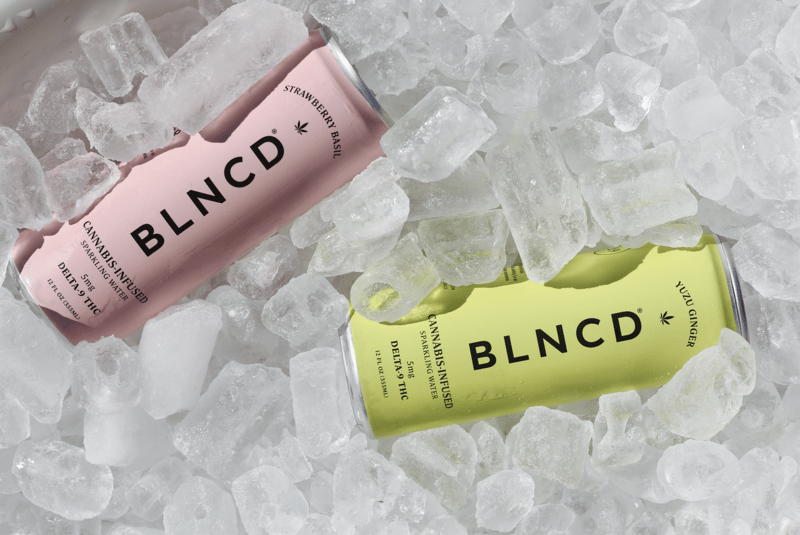
Cannabinoid content can be confusing for shoppers who have never purchased THC products. A beverage labeled with 5 milligrams of THC may seem relatively mild when displayed alongside a 10-milligram option. However, those numbers don't necessarily communicate how intense the experience may be for someone with no previous exposure.
For example, Minnesota's Office of Cannabis Management (OCM) explains that the state's lower-potency hemp edible regulations generally limit THC to 5 milligrams per serving, with additional restrictions on total package and beverage-container content. These legal limits describe what qualifying products may contain, not what constitutes a universally comfortable amount for a beginner.
Rather than labeling a product as strong or weak without context, employees should focus on explaining the stated THC content, serving information, and manufacturer-provided warnings.
3. How Long Until I Feel Something?
Timing is another common source of confusion. Shoppers may assume that because a THC beverage resembles a soda or sparkling water, its effects will be noticeable as quickly as those of a familiar drink. Others may have heard claims that certain products work almost immediately.
The reality is a bit complicated. According to the CDC's guidance on cannabis edibles, intoxicating effects can take 30 minutes to two hours to become noticeable, and they may last longer than consumers anticipate. Individual responses vary, and some beverage formulations may have different onset characteristics.
This information is particularly important because delayed effects can lead someone to consume additional THC before understanding the impact of the initial serving. Explaining that timing isn't always predictable can be more valuable than repeating promotional claims about how quickly a product works.
Product Education Starts With Trust
When shoppers are uncertain about a product, the person answering their questions can have a meaningful influence on the retail experience. An employee who understands the basics of THC, explains product information clearly, and acknowledges uncertainty can help customers feel more comfortable asking questions.
That doesn't mean every employee needs extensive technical knowledge. In fact, overly complicated explanations can make an unfamiliar category feel even more intimidating. The goal is to communicate accurate information in language customers understand.
Consider the difference between telling a customer that a beverage contains a specific cannabinoid formulation and explaining what the product label says about THC content, serving size, and potential impairment … Both statements may be accurate, but the second provides information the shopper can actually use.
Trust also comes from knowing when not to make a recommendation. Employees shouldn't predict how a product will affect someone, suggest THC as a treatment for a medical condition, or assure a customer that a particular product won't cause impairment. The CDC's cannabis frequently asked questions identify several potential adverse reactions, including anxiety, confusion, panic, and impaired coordination. Providing balanced information about these risks supports a more responsible customer experience.
Informed conversations may help reduce confusion and purchasing hesitation. More importantly, they demonstrate that the business takes customer education and product safety seriously.
4 Tips for Your Employees & Talking About THC
A successful THC retail experience doesn't require staff to memorize every detail of cannabinoid science. It does require a shared understanding of the information customers are most likely to need. You can make employee education more manageable by focusing on a few practical areas.
1. Explain THC Without Overcomplicating It
Employees should be able to explain that THC is an intoxicating cannabinoid found in cannabis and that hemp-derived THC products can also produce intoxicating effects. This distinction matters because some consumers incorrectly assume that products labeled hemp-derived are nonintoxicating. A straightforward explanation can establish the basics without overwhelming the customer.
For shoppers interested in beginner THC drinks, you can also explain how to locate cannabinoid content and serving information on the package. They should avoid suggesting that a beverage is automatically less potent than a gummy or that a lower milligram amount guarantees a mild experience.
2. Know the Products on the Shelf
Understand the product formats your store carries, including THC beverages, gummies, and other legally permitted edibles. Be able to identify labeled cannabinoid amounts, serving sizes, package quantities, and required warnings. Familiarity with available flavors and formats can also help answer ordinary product questions without making claims about the experience a customer will have.
When employees don't know an answer, it's better to acknowledge that limitation and consult approved product information than speculate. This is especially important for questions involving medications, health conditions, or potential interactions. Those concerns should be directed to an appropriate healthcare professional rather than answered through informal retail advice.
3. Make Safety Part of the Conversation
Responsible product education should include basic safety information, even when the customer hasn't specifically asked about it.
THC can impair driving and other activities requiring attention and coordination. Combining cannabis with alcohol or other substances can increase impairment, and edible products may take longer to produce noticeable effects than consumers expect. The CDC also recommends keeping cannabis products securely stored and away from children and pets.
You don't need to turn every transaction into a lengthy safety discussion. However, your staff should be prepared to point out product warnings, explain why delayed effects matter, and direct customers to credible resources when questions come up.
4. Avoid Overselling
Enthusiasm for a growing product category can sometimes lead to exaggerated descriptions. Phrases suggesting that a product is guaranteed to relax someone, won't cause a high, or is completely safe for beginners may sound reassuring, but they can create misleading expectations. Retailers should also avoid implying that THC products are appropriate for everyone.
The most effective conversations leave room for customers to decide that a product isn't right for them. Respecting that decision is part of building a trustworthy retail environment.
3 Ways to Make the Store Feel Approachable Before Anyone Asks a Question
Employee education matters, but it isn't the only factor shaping a first-time shopper's experience. Store layout, product organization, and signage can answer questions before a customer approaches an employee. When a category is easy to navigate, shoppers may feel more comfortable exploring the available options.
For THC products, clarity is particularly valuable because packaging can look similar even when cannabinoid content and serving information differ significantly.
1. Give Shoppers a Logical Place to Start
A clearly identified THC | CBD section helps shoppers find products without searching through unrelated merchandise. Within that section, retailers can organize products by format, cannabinoid content, or another intuitive system that reflects the assortment.
Clear identification is especially important for THC beverages, which may resemble ordinary sparkling waters, energy drinks, or other canned products. Ensure that customers can distinguish intoxicating products without relying solely on small-print labels.
2. Let Signage Do Some of the Explaining
Simple signage can help shoppers understand what they're buying before they purchase. Useful information may include product format, labeled THC content, serving information, and directions to required warnings or approved educational resources. Retailers should avoid signs that promise specific effects or describe products as risk-free.
Minnesota's Office of Cannabis Management provides packaging, labeling, and retail posting guidance, including requirements intended to help consumers identify cannabinoid products and understand associated risks. The state also provides consumer education materials that retailers may be required to post or make available.
Using official resources can help retailers maintain consistency while reducing the burden of developing educational materials independently.
3. Make Questions Feel Welcome
A first-time shopper may hesitate to ask about THC because they don't know the terminology or feel uncomfortable discussing cannabis products in a public setting. Staff can help by staying professional and approachable and answering questions without judgment.
Employees should avoid assuming that a customer has prior experience with cannabis. They also shouldn't pressure shoppers to explain why they're interested in a product. A simple, respectful interaction can make the category feel less intimidating.
You may also benefit from creating an internal reference sheet containing answers to common product questions, links to approved educational resources, and guidance about when employees should refer customers elsewhere. This helps maintain consistent communication across shifts and locations.
Confidence Comes from Clarity
For many adults, the first THC purchase begins with curiosity and uncertainty. They may recognize the products, but that doesn't mean they understand their effects, labeling, or potential risks. You can help them make more informed decisions by providing clear product information, approachable staff, and a shopping environment that prioritizes transparency.
A customer who understands what they're considering is better positioned to make a decision that reflects their preferences and comfort level. That may lead to a purchase, additional research, or a decision not to use THC at all. Each outcome can be part of a responsible retail experience.
As the THC and CBD categories continue to develop, businesses that invest in customer education can build trust and establish a more knowledgeable, consistent approach to serving adult shoppers.