
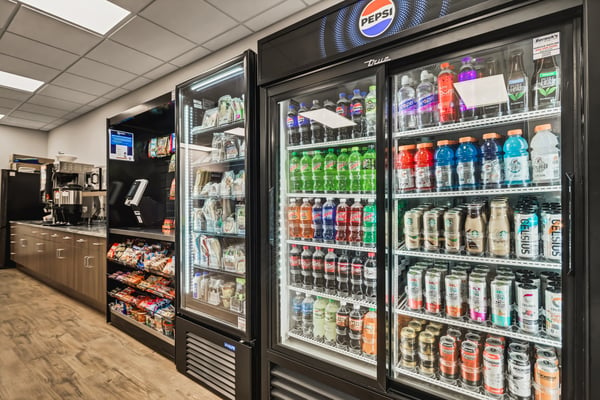
Choosing a distributor is not only about who can deliver products. It is about choosing a partner who can help your business solve everyday challenges, respond to changing customer preferences, and operate with more confidence.
Today’s foodservice, retail, workplace, and hospitality businesses are managing a lot at once. Product preferences are changing. Customers expect more variety. Operators are balancing inventory, staffing, service expectations, promotional planning, and supply challenges. In that environment, a strong distribution partner can make a meaningful difference.
Bernick’s supports businesses with beverage, vending, micro market, fountain, hot beverage, snack, and foodservice solutions. But the real value is not only in the product portfolio. It is in the service, guidance, communication, and support that help customers make better decisions and keep their operations moving.
If you are asking why choose a distributor partner, the answer should connect directly to business impact: stronger sales opportunities, better customer experiences, fewer operational headaches, and a relationship that helps your business adapt over time.
1. Product and Portfolio Expertise That Drives Sales
A strong distributor should help you build a product mix that fits your customers, space, and goals.
For some businesses, that means trusted soft drink brands, bottled water, juices, teas, energy drinks, and snacks. For others, it may include craft beer, fountain beverages, coffee, hot beverages, vending, micro markets, or a combination of solutions.
The right portfolio can help your business serve more occasions. A restaurant may need beverage options that support the menu and guest experience. A convenience store may need recognizable brands plus emerging products that catch shopper attention. A workplace may need food, snacks, coffee, and beverages that employees can access quickly throughout the day.
Bernick’s helps customers think beyond simply adding more products. The goal is to choose the right mix of familiar favorites, better-for-you options, premium choices, and trend-aware products that support sales and satisfaction.
When the product strategy fits the audience, customers are more likely to find what they want, try something new, and come back again.
2. Distribution Reliability That Reduces Stockouts
Product availability matters. When customers expect a certain beverage, snack, or foodservice item and it is not available, the result can be a missed sale, a frustrated guest, or extra work for your team.
Reliable distribution helps businesses reduce those disruptions. It supports smoother ordering, better planning, and more confidence that the products your customers count on will be there when they need them.
For restaurants and bars, reliability can affect menu execution and guest service. For retailers and convenience stores, it can affect shelf availability and impulse sales. For workplaces, schools, healthcare facilities, and micro markets, it can affect employee, student, visitor, or patient convenience.
Bernick’s brings a service-minded approach to distribution, helping customers manage product access, delivery needs, and account support. The value is not only getting products from one place to another. It is helping businesses keep products moving in a way that supports daily operations.
3. Operational Support That Improves Efficiency
A distributor relationship should make your work easier, not add more complexity.
Many businesses are already managing multiple vendors, staff responsibilities, equipment needs, ordering timelines, inventory conversations, and customer expectations. When support is unclear or inconsistent, small issues can take more time than they should.
Operational support may include help with product selection, delivery coordination, equipment support, vending or fountain service, restocking, troubleshooting, and ongoing account communication. For customers using vending, micro markets, fountain systems, or hot beverage programs, that support can be especially important because the program needs to keep working after the initial setup.
Bernick’s helps customers think through the practical side of beverage and foodservice solutions. What products make sense? What setup fits the space? What needs to be stocked? What kind of service support will be needed over time?
That kind of support helps businesses stay focused on their customers, employees, and operations instead of spending unnecessary time managing refreshment or distribution challenges.
4. Data Insights and Category Trends You Can Act On
Customer preferences are always changing. A strong distribution partner should help you understand what those changes may mean for your business.
Today’s beverage and foodservice categories are more diverse than ever. Customers may be looking for traditional carbonated soft drinks, bottled water, energy drinks, teas, coffee, functional beverages, better-for-you snacks, premium non-alcoholic options, craft selections, or convenient grab-and-go choices.
The challenge is deciding which trends are worth acting on and which products fit your environment. Not every trend belongs in every business. A convenience store, restaurant, bar, office, school, healthcare setting, and workplace micro market may all need different product strategies.
Bernick’s can help customers evaluate product mix, category opportunities, seasonal needs, and customer demand. Where available, sales history, product movement, account insights, and category knowledge can help guide better assortment decisions.
The goal is not to chase every new item. The goal is to make informed choices that keep your offering relevant, practical, and aligned with what your customers want.
5. Promotional and Marketing Support That Moves Product
Products do not sell only because they are available. They also need the right visibility, timing, and support.
Promotional planning can help businesses highlight new products, seasonal offerings, limited-time options, or high-demand categories. This is especially useful for convenience stores, restaurants, bars, and retail environments where product placement, signage, and timing can influence purchase decisions.
A distribution partner can help you think through what to promote, when to promote it, and how it fits your audience. That may include new beverage introductions, seasonal displays, cross-category pairings, featured products, or promotions tied to customer demand.
For example, a convenience store may promote an energy drink and snack pairing. A restaurant may highlight a seasonal beverage option. A bar may feature a craft or non-alcoholic selection. A workplace may introduce new micro market products based on employee preferences.
Bernick’s brings product knowledge and account support that can help customers identify opportunities and put the right products in front of the right people.
6. Dedicated Service and Communication That Simplifies Operations
Strong service is one of the most important distribution partner benefits for business.
When questions come up, your team should know who to contact. When something changes, your partner should respond. When a product, machine, delivery, or account issue needs attention, communication should be clear and helpful.
Dedicated service can help reduce confusion and improve the day-to-day experience of working with a distributor. Instead of feeling like you are managing everything alone, you have a partner who understands your business and can help you solve problems.
For Bernick’s, partnership means taking the time to understand each customer’s needs and tailoring support around the business. That includes listening, communicating, adjusting, and helping customers find solutions that fit their environment.
A strong distribution partner should not disappear after the delivery. They should help support the relationship over time.
How to Evaluate a Distribution Partner
Before choosing a distributor partner, it helps to ask practical questions about fit, service, and long-term value.
Consider:
- Do they understand your business model? A good partner should know whether you are serving restaurant guests, retail shoppers, employees, students, patients, or visitors.
- Can they support the right product mix? Look for product variety that fits your customers and your goals.
- Are they responsive when issues come up? Service and communication should be clear, timely, and helpful.
- Do they provide category support? Your partner should help you think through trends, product performance, and new opportunities.
- Can they support equipment or service needs? Vending, fountain, micro market, and hot beverage solutions often require ongoing support.
- Do they help simplify operations? The right partner should reduce friction, not create more work.
- Are they focused on long-term partnership? A distributor should support your business beyond the first order or installation.
These questions can help you determine whether a distributor is simply a supplier or a true business partner.
Final Pour: Choose a Partner That Supports Your Business Goals
The best distributor relationships are built on more than products. They are built on trust, service, communication, and a shared understanding of what your business needs to succeed.
Bernick’s helps customers bring together product variety, distribution reliability, operational support, category guidance, promotional planning, and dedicated service. Whether your goal is to increase sales, improve customer satisfaction, support employees, simplify operations, or keep up with changing preferences, the right partner can make the process easier.
A strong beverage and foodservice distribution partner should help your business operate better today and prepare for what customers will want next.

