
Today’s soft drink programs are no longer just about soda. Guests expect variety, better-for-you options, and convenience. In fact, according to the National Restaurant Association, beverage sales can account for up to 20–30% of total restaurant revenue, making them a critical part of overall performance. Businesses that treat beverages as a strategic part of the experience are seeing stronger sales, higher satisfaction, and better long-term performance.
Soft Drinks Are No Longer an Afterthought
For decades, soft drinks played a predictable role in foodservice. They were a staple, a reliable pairing to meals, and often one of the simplest parts of a menu to manage. That’s no longer the case.
Today, beverage expectations are evolving just as quickly as food trends. Guests are paying closer attention to what they drink, how it’s served, and the variety available. What used to be a background offering has become a meaningful part of the overall experience and, for many businesses, a growing opportunity for differentiation and profitability.
Soft drink programs are still foundational. But the way they’re built, positioned, and optimized has changed.
What Today’s Guests Expect from Your Beverage Lineup
Consumer demand has expanded well beyond traditional soda offerings. While classic soft drinks remain popular, today’s guests are looking for more choice, more customization, and more alignment with their lifestyles.
One of the most noticeable shifts is the expectation for better-for-you options. Zero-sugar and low-calorie beverages are no longer niche, they’re part of the baseline. Guests expect to see diet and zero-sugar sodas alongside unsweetened teas and enhanced waters, without having to search for them.
That shift reflects what many businesses are already seeing firsthand. Data from the International Food Information Council shows a growing percentage of consumers actively trying to limit their sugar intake, which is influencing beverage choices across all dining occasions.
At the same time, premiumization is showing up in subtle but important ways. Sparkling water and bottled beverages have become more than just alternatives. Options like Bubly, Klarbrunn, or premium bottled brands are often preferred. Guests are more brand-aware, more willing to trade up, and more interested in beverages that feel like an intentional part of their experience. According to the Beverage Marketing Corporation, bottled water continues to be one of the fastest-growing beverage categories in the U.S., reinforcing its role as a core offering rather than a secondary option.
There’s also been a steady expansion into categories that once sat outside traditional soft drink programs. Energy drinks, ready-to-drink coffee, and recognizable favorites like Bubbl’r, Monster, or bottled Starbucks beverages are now expected in many environments. These beverages don’t just add variety, they also create new opportunities throughout the day, helping businesses capture demand beyond standard meal occasions.
Altogether, these shifts point to a broader expectation: beverage programs should feel thoughtful, relevant, and reflective of how people actually live and consume today.
3 Reasons Soft Drinks Still Do the Heavy Lifting
Even with all of this change, traditional soft drinks remain at the core of most beverage programs, and for good reason.
- There’s a level of consistency and familiarity that soda, water, tea, and juice continue to deliver — whether that’s a classic Pepsi, refreshing iced tea, or a go-to bottled water option. These are the beverages guests recognize immediately, order without hesitation, and come back to again and again. That kind of reliability matters, especially in high-volume or fast-paced environments.
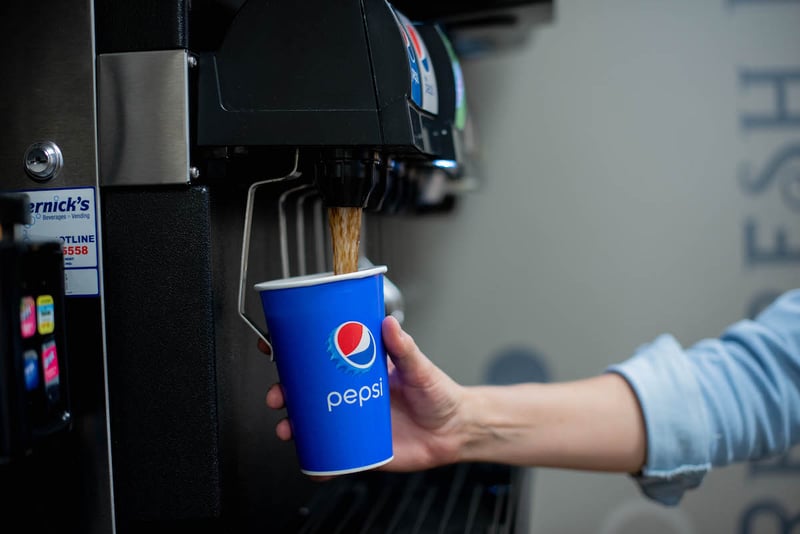
- There’s also a strong operational advantage. Fountain beverages, in particular, continue to offer one of the most efficient and profitable ways to serve drinks. Industry estimates consistently show margins that are significantly higher than those of many food items, making them a reliable contributor to overall profitability. They’re easy to manage, cost-effective to deliver, and adaptable across a wide range of settings.
- And that flexibility is key. Whether in restaurants, healthcare facilities, schools, or workplaces, soft drink programs can be tailored to the space while maintaining consistent quality and experience.
Even as beverage programs expand, these core offerings remain the foundation that everything else builds on.
What This Means for Your Beverage Program
As expectations evolve, beverage programs require a more intentional approach. It’s no longer about offering more — it’s about offering the right mix, in the right way, for your specific environment.
That often starts with rethinking the overall beverage lineup. The most effective programs balance core staples with newer, in-demand options. That might mean pairing traditional fountain offerings with bottled energy drinks, adding sparkling water alongside still options, or incorporating ready-to-drink coffee to extend offerings beyond meal times.
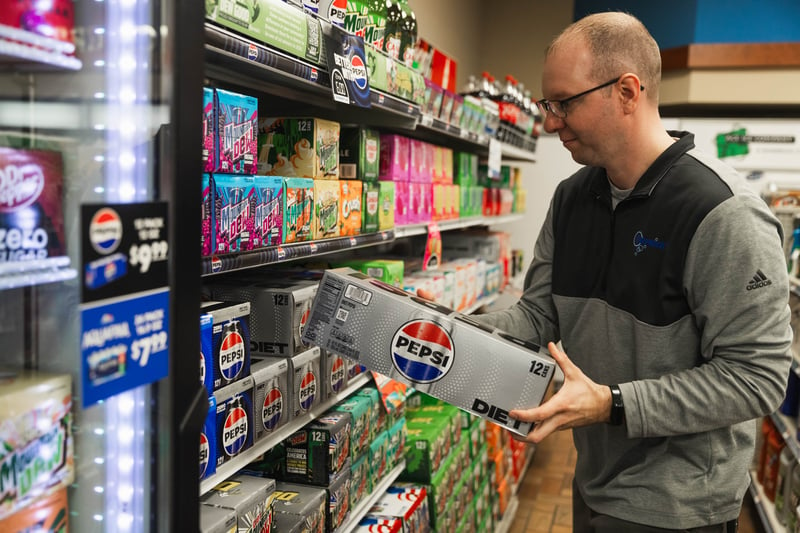
Presentation also plays a bigger role than it used to. Beverages that are easy to see, easy to understand, and easy to access tend to perform better. Whether that’s through menu design, cooler placement, or self-serve options, visibility can directly impact sales and guest satisfaction.
Behind the scenes, equipment and setup matter just as much. The right combination of fountain systems, bottled displays, or self-service environments like micro markets can help create a smoother experience for both staff and guests. When the setup works well, everything else becomes easier to manage.
Perhaps most importantly, beverage programs are no longer something you set once and leave alone. The most successful businesses revisit their programs regularly — looking at what’s selling, what’s changing, and where there’s room to improve. Even small adjustments can make a meaningful difference over time.
FAQ: Modern Foodservice Beverage Programs
- What is included in a modern soft drink program?
A modern soft drink program includes traditional soda, water, tea, and juice, along with expanded options like energy drinks, bottled coffee, and sparkling water. - Why are beverage programs important in foodservice?
Beverage programs drive profitability, enhance the guest experience, and provide opportunities to increase average transaction value. - How are restaurant beverage trends changing?
Trends are shifting toward zero-sugar options, premium beverages, convenience, and greater variety across dayparts. - How often should beverage programs be reviewed?
Beverage programs should be evaluated regularly using sales data, customer feedback, and seasonal trends to guide updates.
Beverage Programs Deserve a Strategic Approach
Soft drinks have always been a staple. But today, they play a much bigger role in how businesses serve their guests and grow their operations. As expectations continue to evolve, the businesses seeing the most success are those treating beverages as a meaningful part of the experience, not just a default menu offering. They’re building programs that reflect real demand, create more choice, and make it easier for guests to find exactly what they want.
That doesn’t mean overcomplicating things. In many cases, it’s about making smarter decisions — choosing the right mix, presenting it well, and making sure it works for both your team and your guests. Because when a beverage program is done right, it doesn’t just support the experience. It elevates it.