
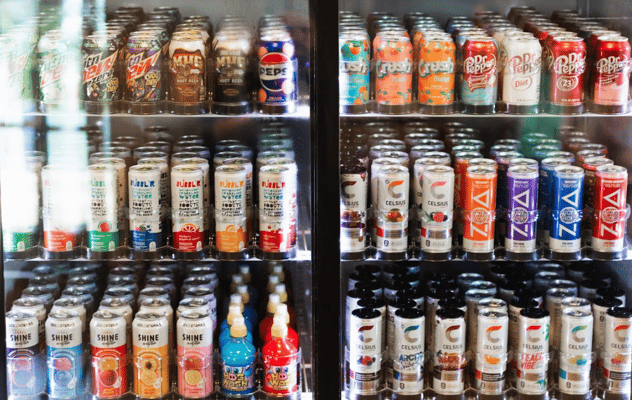
With more options come more opportunities. And beverages are one of the most consistent opportunities to increase revenue, yet they’re often treated as a secondary part of the menu.
It’s easy to focus on food first. But what guests choose to drink and how many options they have to choose from can quietly influence how much they spend, how satisfied they feel, and whether they come back. Research shows that menu variety and perceived choice play a meaningful role in purchase decisions, particularly for beverages.
When beverage programs are built with intention, they don’t just complement the experience. They create new opportunities within it.
Choices Change Behavior More Than You Think
Guests don’t always walk in knowing exactly what they want to drink. More often, they decide in the moment based on what they see, what sounds appealing, and what feels like the best fit for that occasion.
That’s where variety comes into play.
When options are limited, guests tend to default to what’s familiar or skip adding a beverage altogether. But when there’s a thoughtful range of choices, something different starts to happen. Guests engage with the menu more. They consider alternatives. They’re more likely to add a drink they hadn’t originally planned on ordering.
This is especially true when the options feel distinct from one another. A lineup that includes soda, sparkling water, energy drinks, iced tea, or even coffee creates more decision points and more opportunities to match a specific preference.
Studies show that consumers are increasingly drawn to beverages that offer variety in flavor, function, and format, especially when those options are easy to identify and access. In other words, when guests can see it and recognize it, they’re more likely to choose it.
Not All Beverages Perform the Same … and That’s the Point
One of the biggest advantages of beverage variety is that different categories serve different roles. Traditional soft drinks still anchor most programs. They’re familiar, widely preferred, and easy to pair with meals. But they’re just one part of the picture.
Flavored and sparkling waters appeal to guests looking for something lighter or more premium. Iced teas and juices offer refreshing, versatile alternatives. Caffeinated beverages, such as energy drinks and coffee, extend beverage relevance beyond meal times, creating opportunities in the morning, mid-afternoon, and late evening.
Each category meets a different need, and that’s where the opportunity lies. Instead of relying on a single beverage type to drive performance, businesses that offer a mix of options are better positioned to meet guests where they are. That range doesn’t dilute the program – it strengthens it.
Where Variety Makes the Biggest Difference
Beverage variety doesn’t just influence what guests choose; it can also impact how much they spend. Industry insights show that beverages are one of the easiest ways to increase average check size, especially when options are visible and easy to add. Not every environment benefits from variety in the same way, but there are certain settings where it can have a noticeable impact.
- In dine-in environments, variety supports upselling. When servers or menus highlight multiple beverage options, guests are more likely to add something beyond water or upgrade their choice.
- In takeout and quick-service settings, variety becomes a visual decision. Guests often make beverage choices quickly, so having options clearly displayed, whether on a menu board or in a cooler, can influence last-minute additions.
- Grab-and-go environments are where variety really stands out. Micro markets, coolers, and self-serve setups allow guests to browse and make decisions independently. The more relevant and recognizable the options, the more likely they are to pick something up.
- High-traffic service areas also benefit. When lines are moving quickly, having a range of ready-to-serve beverages helps reduce friction while still giving guests a choice.
Across all of these environments, the common thread is simple: when variety is visible and accessible, it performs.
From More Options to More Consistent Results
Offering more beverages isn’t the goal on its own. What matters is how those options are selected and presented. Strategic beverage programs balance core staples with high-interest categories and are built around how guests make decisions in real time — not just what’s traditionally been offered. They consider how guests move through the space and make it easy to understand what’s available without overwhelming the decision-making process.
That’s where consistency comes in.
When guests know they’ll find options that fit their preferences, whether that’s a zero-sugar soda, a sparkling water, or freshly carbonated soda, they’re more likely to return and make similar choices again. Over time, that consistency leads to stronger performance. Not because every guest chooses the same beverage, but because more guests are choosing something.
And that’s the real impact of variety.
FAQ: Beverage Variety in Foodservice
- Why is beverage variety important in foodservice?
Beverage variety increases the likelihood that guests will find an option that fits their preferences, which can lead to higher attach rates and increased revenue. - How does beverage variety impact sales?
More options create more decision points, making it more likely that guests will add a beverage or upgrade their selection. - What types of beverages should be included in a variety strategy?
A strong mix includes soda, sparkling water, tea, and energy drinks to cover different preferences and occasions. - Does offering more beverages increase revenue?
Not necessarily. The key is offering the right mix of options that are visible, easy to choose, and aligned with guest demand.
The Best Choices for Your Business are What Will Perform Best
Remember that more isn’t always better. It’s all about what is best for your business and your guests. Beverage variety works best when it feels intentional, not excessive.
A well-built program doesn’t need dozens of options. It needs the right mix of familiar favorites, emerging trends, and easy-to-understand choices that reflect how guests actually make decisions.
When that balance is in place, beverages become more than just an add-on. They become a reliable way to increase revenue, improve the guest experience, and create more opportunities within every transaction.

