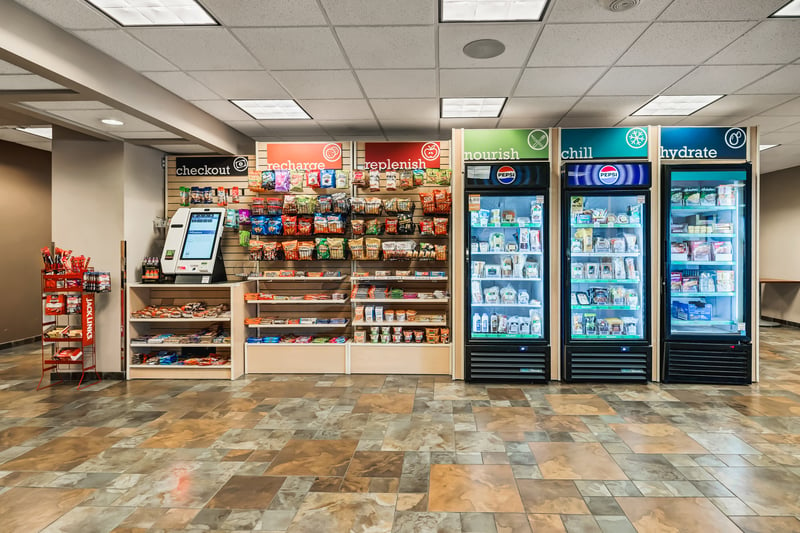
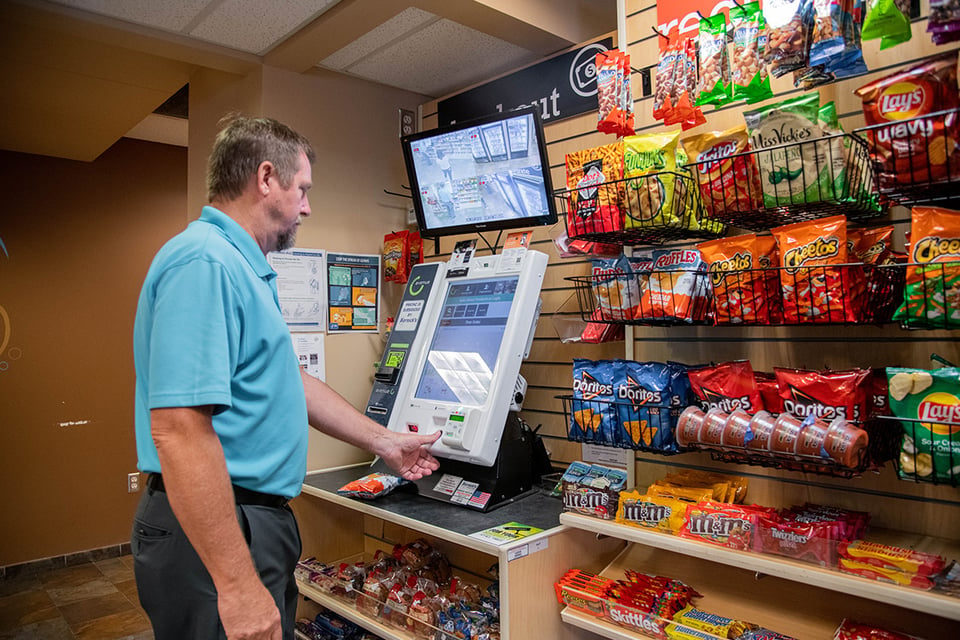
Not every workplace has the space, scale, or layout to support a full micro market — but expectations for convenient, self-service food and beverage access haven’t gone away. That’s where PICO markets come in. They’re a smart retail solution for the tightest spaces.
By combining unattended retail technology with a more compact, controlled format, PICO markets offer a middle ground between traditional vending and open micro markets. They’re designed to deliver variety, flexibility, and modern convenience without requiring a large footprint or a fully open environment. For the right workplace, that balance can make all the difference.
PICO markets deliver the most value in workplaces with limited space, smaller employee populations, or security concerns. Their enclosed, tech-enabled design offers variety and convenience while maintaining control and operational simplicity.
When a Full Market Isn’t Practical — But Vending Isn’t Enough
This is where many workplaces get stuck … needing more than vending can offer, but not quite ready for a full micro market. PICO markets don’t replace vending or micro markets — they fill the gap between them.
PICO markets tend to perform best in environments where alternative options fall short. PICO markets tend to perform best in environments with smaller or more segmented employee populations, limited available floor space, layout constraints, or concerns around product loss and inventory management.
In these settings,a full micro market may feel too large or complex, while vending may not provide enough variety or flexibility. This is where PICO solutions shine. They allow organizations to introduce a broader, more engaging retail experience without committing to the space and openness of a traditional market.
This shift toward flexible formats reflects broader workplace trends. According to a report from CBRE, companies are increasingly optimizing office space for efficiency and adaptability rather than expansion. In other words, solutions that do more with less space are becoming more valuable.
Built-In Security Without Sacrificing Convenience
One of the defining features of a PICO market is its enclosed, controlled-access design. PICO setups often require badge access, mobile authentication, or controlled entry before a transaction begins. This added layer of security significantly reduces the risk of product loss while still maintaining a self-service experience.
For organizations that have hesitated to adopt open retail concepts due to shrinkage concerns, this can be the tipping point. According to the National Retail Federation 2023 National Retail Security Survey, shrinkage accounted for $112.1 billion in losses across U.S. retail. While workplace environments differ from traditional retail, the takeaway is the same: control matters.
PICO markets offer a way to balance trust and accountability, without sacrificing convenience.
Smaller Footprint, But Meaningful Choices
At first glance, a compact format might suggest limited options. But with Bernick’s PICO Markets, the opposite is often true. With thoughtful assortment planning, PICO markets can deliver a strong mix of:
- Beverages (from water and energy drinks to bottled coffee)
- Snacks and grab-and-go items
- Fresh or refrigerated selections, depending on setup
The key isn’t volume — it’s intentionality. Research from the Food Industry Association highlights that shoppers prioritize relevance and convenience over sheer assortment size, especially in smaller retail environments. That same principle applies in the workplace. Employees don’t need endless options — they need the right ones. When product mix aligns with daily habits, even a smaller market can drive strong, consistent usage.
Streamlined Operations, Simplified Management
Beyond the employee experience, PICO markets also appeal to organizations from an operational standpoint. Their compact design typically means:
- Easier restocking and maintenance
- More efficient use of service time
- Less physical infrastructure to manage
For businesses looking to introduce a retail-style solution without adding complexity, this can be a significant advantage. There’s also a broader shift toward automation supporting this model. According to McKinsey & Company, automation and self-service technologies are helping organizations streamline operations while maintaining service quality. PICO markets fit naturally into that evolution — offering a modern experience without requiring hands-on management.
How to Know If a PICO Market Is the Right Fit
A PICO market isn’t the right solution for every workplace, but in the right environment, it can solve multiple challenges at once. It’s often the best fit when:
- Space is limited, but employees still expect more than traditional vending
- Security or shrink concerns make open retail setups less appealing
- Employee volume doesn’t justify a full micro market, but demand still exists
- There’s a need for a modern, self-service experience without added complexity
On the other hand, a full micro market may be a better choice in larger workplaces where variety and open access are higher priorities, while vending may be the better starting point in small or low-traffic environments where more basic options are expected. The key is aligning the solution with how your space is used and what can best serve your team and/or customers.
FAQs About PICO Markets
1. What types of workplaces are best suited for PICO markets?
PICO markets work best in environments with limited space, smaller employee populations, or security concerns. They’re especially effective in offices, healthcare settings, and facilities where a full micro market isn’t practical.
2. How are PICO markets different from micro markets?
PICO markets use a smaller footprint and sometimes a controlled-access format, while micro markets are typically larger, more open spaces. This added control helps reduce product loss while still offering a self-service retail experience.
3. Do PICO markets offer enough variety compared to larger solutions?
Yes, when thoughtfully planned. While the footprint is smaller, a well-curated product mix can still deliver meaningful variety that meets everyday employee needs.
4. When should a business choose PICO over vending or micro markets?
PICO markets are often the best choice when a business needs more variety than vending can offer, but doesn’t have the space or risk tolerance for a full micro market.
Convenience Still Drives … Everything
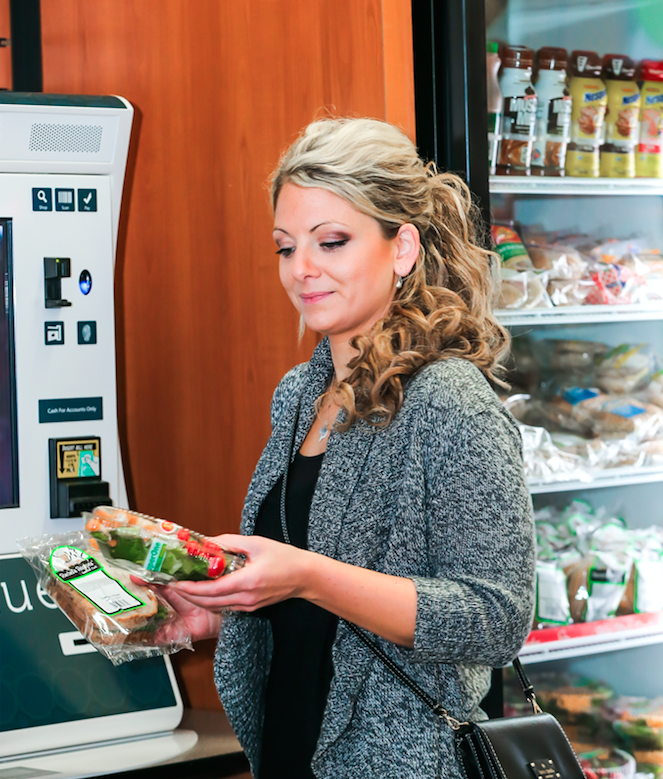
Even with a smaller footprint, the success of a PICO market still comes down to one thing: how easy it is to use. Employees expect:
- Quick, intuitive access
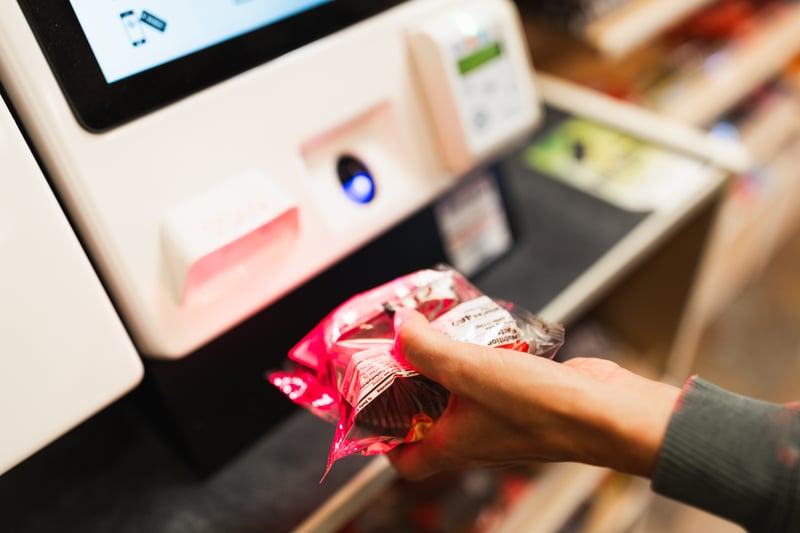
- Clear and simple checkout
- Products that match their preferences
If those elements aren’t in place, adoption drops quickly — regardless of format. But when they are, even a compact market can become part of the daily routine. This is especially true in workplaces where employees don’t have easy access to nearby food options or don’t have time to leave the building during shifts.
Convenience isn’t just a feature. It’s the baseline expectation.