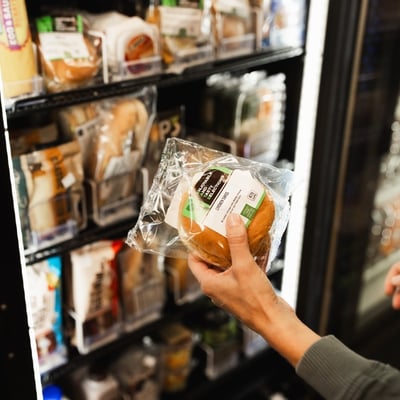
In a world of evolving breakroom trends and high-tech self-service options, vending machines continue to do something incredibly well: deliver consistent, convenient access to food and beverages without disruption. They’re the quiet workhorse of workplace convenience.
For many workplaces, that simplicity is exactly the point. Vending machines don’t require remodeling, staffing, or operational oversight. They meet employees where they are, providing quick access to snacks, drinks, and essentials in a format that’s easy to implement and easy to maintain. While newer solutions like micro markets and self-checkout concepts have their place, vending remains one of the most efficient ways to solve everyday workplace needs. And in the right environments, it delivers outsized value.
Where Foot Traffic Meets Real Demand
Not every workplace needs the same type of breakroom solution. Vending machines tend to perform best in environments where convenience isn’t just appreciated, it’s necessary. Think spaces where:
- Schedules vary across shifts
- Employees don’t have the ability to leave easily
- Foot traffic is steady throughout the day
- Break times are short or staggered
Manufacturing facilities, warehouses, distribution centers, and healthcare environments are all strong examples. In these settings, employees often need quick, reliable access to refreshments without stepping away from their responsibilities for extended periods.
This demand isn’t anecdotal. According to Mintel, two-thirds of U.S. adults snack at least once per day, and much of that consumption happens during the workday. When access isn’t convenient, employees either leave the premises or go without — both of which impact productivity and satisfaction.
That’s where vending becomes more than a convenience. It becomes infrastructure.
The Power of “Grab and Go” Simplicity
There’s a reason vending machines remain a staple in workplace environments: they remove friction. There’s no line to wait in. No ordering process. No dependency on staffing or service hours. Employees can grab what they need and get back to work in seconds.
That level of immediacy plays a bigger role than many organizations realize. According to the International Food Information Council, 57% of employees say convenience is the most important factor when choosing food during the workday. Speed and accessibility aren’t just preferences — they’re expectations.
There’s also a productivity component. Research from the University of Illinois at Urbana-Champaign found that short breaks can improve focus by up to 13%. When employees can quickly grab a snack or beverage without leaving the building, those breaks stay short, effective, and less disruptive to workflow.
For employers, that translates to:
- Less time spent off the floor
- Fewer interruptions to operations
- A better overall employee experience
It’s not about replacing foodservice solutions, it’s about delivering the fastest, most accessible option when time is limited.
Small Footprint, Strategic Flexibility
One of the most overlooked advantages of vending machines is how little they require to deliver value, especially compared to more expansive breakroom solutions. Vending machines:
- Require minimal square footage
- Don’t need layout overhauls or construction
- Can be installed quickly and repositioned as needs change
That flexibility matters more than it used to. Many workplaces are evolving — whether that’s shifting headcounts, hybrid scheduling, or rethinking how space is used internally. Vending allows organizations to:
- Add amenities without long-term infrastructure commitments
- Test demand before expanding into larger solutions
- Scale offerings across multiple locations with consistency
From a cost and planning perspective, it’s one of the lowest-risk ways to improve workplace experience.
Reliability That Builds Routine
Consistency is what turns a convenience into a habit. When vending machines are well-stocked, intuitive to use, and equipped with modern payment options, employees begin to rely on them as part of their daily routine. Whether it’s a mid-morning coffee, an afternoon snack, or a quick energy boost between shifts, that predictability matters.
Modern vending has evolved significantly in this area. According to the National Automatic Merchandising Association, more than 70% of vending transactions are now cashless, reflecting how closely today’s machines align with everyday consumer behavior.
Behind the scenes, advancements like remote inventory tracking and proactive service models also ensure machines stay stocked and functional — removing the frustration that used to define older vending experiences. The result is a solution that feels dependable, not outdated.
When Simplicity Is the Strategy
Not every workplace needs a full-scale breakroom transformation. In many cases, the smartest solution is the one that solves the core need without introducing unnecessary complexity. Vending machines excel in situations where:
- Speed matters, and be
- Space is limited or highly optimized
- Employee schedules don’t align with traditional foodservice
- Operational simplicity is a priority
In environments where variety and open browsing matter more, micro markets may be the better fit. But when speed, space, and simplicity are the priority, vending often delivers stronger day-to-day value. They’re also a strong fit for organizations that want to improve access quickly without committing to a larger investment upfront.
That doesn’t mean vending is the only option. Many organizations eventually layer in micro markets or other solutions as needs evolve. But even in those environments, vending often remains part of the mix – supporting secondary areas, overnight shifts, or smaller employee groups.
FAQs About the Value of Vending in the Workplace
- What types of workplaces see the highest usage from vending machines?
Vending machines tend to perform best in environments with steady foot traffic and limited flexibility, such as manufacturing facilities, warehouses, healthcare settings, and multi-shift operations. In these workplaces, employees often rely on quick, consistent access to food and beverages throughout the day. - Why are vending machines a strong fit for multi-shift or 24-hour operations?
Because they’re always available. Unlike staffed foodservice options, vending machines provide consistent access across all shifts, including overnight hours when other options may be closed or unavailable. - When is vending a better choice than expanding a breakroom or adding a micro market?
Vending is often the better choice when space is limited, budgets are tight, or speed of implementation matters. It allows organizations to provide access quickly without committing to a specific footprint or setup. - How do vending machines support productivity in busy work environments?
By reducing the need for employees to leave the building or spend time waiting for service. Quick, on-site access to snacks and beverages helps keep breaks short and minimizes disruption to workflows, especially in fast-paced or labor-intensive settings. - Can vending machines still be effective in smaller or lower-traffic workplaces?
They can be, but usage tends to depend on employee habits and access to nearby alternatives. In smaller offices, vending is most effective when it fills a clear gap, such as limited nearby food options or a need for after-hours access. - How do companies decide if vending alone is enough or if they should expand to additional options later?
Many organizations start with vending to establish usage patterns and demand. If engagement is high and employees are looking for more variety, it can make sense to layer in additional solutions like micro markets over time.
Better Breakroom Access
For workplaces looking to improve access to food and beverages, vending machines offer a straightforward path forward. They’re easy to implement, simple to maintain, and consistently used when aligned with employee needs. In the right environment, that combination makes them one of the most effective workplace solutions available.
And in many cases, they’re not just the simplest option — they’re the smartest one.

