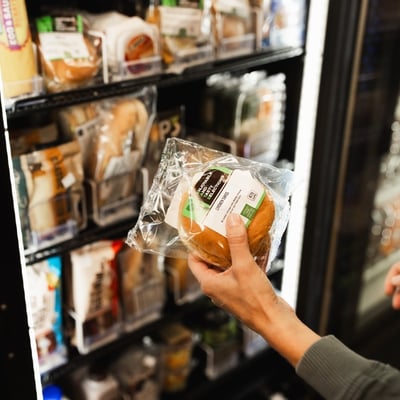
Micro markets have changed what employees expect from workplace food and beverage access. Instead of a single transaction at a machine, they offer an open, retail-like experience where employees can browse, choose, and move at their own pace.
That shift matters. A well-executed micro market doesn’t just provide more options. It creates a space employees actually want to use. It supports different schedules, preferences, and routines in a way traditional vending alone often can’t. But not every micro market performs the same. The difference between one that gets occasional use and one that becomes part of the daily routine comes down to a handful of key decisions.
Successful workplace micro markets combine high-visibility placement, a balanced product mix, and frictionless checkout. When aligned with employee routines and consistently maintained, they become a reliable, high-usage breakroom solution.
If They Don’t See It, They Won’t Use It
Placement is one of the biggest drivers of micro market success — and one that can easily be overlooked. Micro markets perform best when they’re located along natural traffic paths, near entrances or break areas, and easily accessible across multiple shifts. When a market is tucked away or requires employees to go out of their way, usage drops. Not because the offering isn’t valuable, but because it never becomes part of a routine.
Placement isn’t just a detail. It’s often the difference between a market that gets used daily and one that’s overlooked entirely. This aligns with broader workplace behavior trends. According to Steelcase, employees are significantly more likely to use shared spaces that are highly visible and easily accessible, reinforcing how important placement is in driving engagement. Convenience starts with location.
Variety + Balance = A Winning Combination
One of the biggest advantages micro markets have over vending is variety — but more isn’t always better. What matters is balance. The most successful micro markets typically include:
- Packaged snacks and beverages that are considered ‘staples’
- Fresh items like sandwiches, salads, and fruit that are feel-good choices
- Indulgent options (think candy, treats, comfort foods)
- Better-for-you choices, like hummus, meat and cheese – easy protein
This mix reflects how people actually make decisions throughout the day. Sometimes they want something quick and familiar. Other times, they’re looking for something more substantial or different.
According to the International Food Information Council, more than half of consumers prioritize convenience, but also want options that fit their preferences and lifestyle, especially when eating during the workday. A market that leans too heavily in one direction, whether that’s only indulgent or only health-focused, tends to lose engagement over time. The goal isn’t to offer everything. It’s to offer the right mix — consistently.
The Checkout Experience Matters More Than You Think
Micro markets succeed when the experience feels effortless from start to finish. If the checkout process is confusing, slow, or unreliable, employees will disengage quickly, no matter how strong the product selection is. And they likely won’t try again. High-performing markets prioritize:
- Cashless payment options (cards, mobile wallets, employee accounts)
- Simple, intuitive self-checkout kiosks
- Clear instructions and flow
Simplicity isn’t just a preference, it’s an expectation. According to the National Retail Federation, over 80% of consumers now prefer contactless or cashless payment options when available, especially in self-service environments. The easier it is to complete a transaction, the more likely employees are to use the market consistently.
Designed Around Real Workdays, Not Ideal Ones
A micro market might look great on paper, but success depends on how well it fits into real employee behavior.
That includes break timing, shift overlap, peak usage windows, and how people naturally move through the space during the day. For example, a market near a time clock may see heavy use during shift changes, while a centrally located market may support more casual, mid-day visits. Overnight teams may rely on it very differently than daytime staff.
This is where markets succeed or fail. Research from Gallup shows that employees are more engaged and satisfied when workplace amenities align with how they actually work, not just how spaces are designed. In other words, success comes from fitting into routines, not trying to change them.
A Clean, Stocked Micro Market Builds Trust
Micro markets often operate on an honor-system model, which makes perception incredibly important. If a market feels disorganized, frequently out of stock, or poorly maintained, employees notice … and usage drops. On the other hand, a clean, well-stocked, and organized market reinforces trust and reliability.
Strong programs prioritize consistent restocking based on demand, clean and intuitive merchandising, and periodic refreshes that keep the space feeling current. These details may seem small, but they directly influence whether employees come back. And repeat usage is what ultimately defines success.
FAQs About a Successful Micro Market
1. Where should a micro market be placed for the best results?
The most successful markets are placed in high-visibility, high-traffic areas such as near breakrooms, entrances, or time clocks. Easy access encourages repeat use and helps the market become part of daily routines.
2. How much variety should a micro market offer?
Enough to meet different preferences, but not so much that it becomes overwhelming or inefficient. A balanced mix of snacks, beverages, fresh items, and indulgences tends to perform best over time.
3. What role does payment technology play in micro market success?
A significant one. Simple, reliable, cashless checkout experiences reduce friction and increase usage. If payment is slow or confusing, employees are less likely to return.
4. How often should a micro market be restocked or refreshed?
That depends on usage, but consistency is key. Frequent restocking and occasional product rotation help maintain interest and ensure employees can rely on the market.
5. Are micro markets a good fit for every workplace?
Not always. They perform best in environments with enough employee volume and demand to support a broader offering. In smaller or lower-traffic locations, vending may be a more practical starting point.
Micro Market, Mega Impact
A successful micro market isn’t defined by one feature. It’s the combination of the right elements working together: a location that fits natural movement, a product mix that reflects real preferences, a checkout experience that feels effortless, and a space that’s clean, stocked, and reliable.
When those pieces align, the market doesn’t need to be promoted — it becomes part of the routine. That’s when organizations start to see the full value of a micro market, not just in usage, but in employee satisfaction and overall workplace experience.

