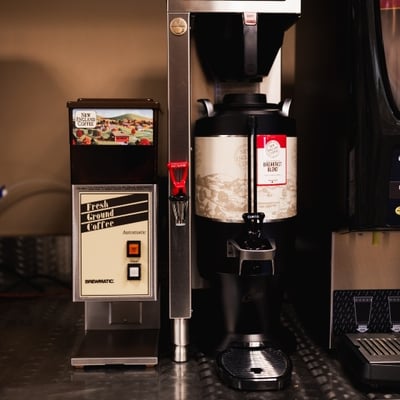
Coffee is one of the most consistent touchpoints in any workplace. It shows up in the morning, during breaks, in meetings, and in conversations with customers and visitors. Because of that, it does more than provide a beverage. It shapes perception.
A coffee setup that’s easy, reliable, and aligned with user expectations becomes part of the daily routine. One that’s inconvenient, inconsistent, or limited often becomes a quiet frustration. And unlike other amenities, people notice the difference immediately. Coffee is one of the most-used – and therefore most-judged – amenities.
Workplace coffee success depends on setup. Accessibility, equipment reliability, and beverage variety all influence usage, satisfaction, and perception. The right setup aligns with how people actually use coffee throughout the day.
One Coffee Program, Multiple Expectations
One of the biggest mistakes in workplace coffee planning is assuming everyone uses it the same way. Employees and customers often have very different expectations:
- Employees prioritize speed, consistency, and daily reliability
- Visitors and customers tend to notice presentation, quality, and overall experience
There are also differences in behavior:
- Employees may use coffee multiple times per day
- Guests typically interact with it once, but form a strong impression
According to a workplace experience report from Staples Business Advantage, 94% of employees say workplace amenities impact their overall job satisfaction. Coffee is often one of the most visible and frequently used of those amenities.
A setup that works well for one audience may not work as well for another, which is why defining the primary user matters early on.
If It’s Not Easy, It Won’t Be Used
Convenience is the foundation of any successful coffee program. If employees have to walk too far, wait too long, or fumble with using a confusing or complicated machine, they just won’t use it. On the other hand, coffee that’s easy to access and simple to use naturally becomes part of the daily routine.
Research from the National Coffee Association says that 73% of Americans drink coffee every day, making it one of the most habitual beverage behaviors in the country. That consistency means expectations are already set. People know how they want their coffee experience to feel — and when it doesn’t match, they notice. Convenience isn’t a bonus feature. It’s the baseline.
The Setup Behind the Scenes Matters Just as Much
Even the best coffee equipment won’t deliver a good experience if it isn’t reliable. Frequent downtime, inconsistent quality, or complicated maintenance can quickly break down trust in the system. And once that happens, people stop using it.
That’s why the setup behind the scenes matters just as much as what users see. A strong coffee program accounts for:
- Equipment reliability and consistency
- Ease of maintenance and cleaning
- Service support and response time
This is especially important in high-use environments, where even small disruptions are multiplied throughout the day. Reliability doesn’t just support the experience, it actually sustains it.
Variety Signals Value — Even in Small Ways
Even though it may feel like it, you really don’t need an extensive or fancy coffee-shop-style menu to create a great coffee experience. But a variety of offerings and meeting needs does matter at some level. Options like:
- Regular and decaf coffee
- Espresso-based beverages
- Flavored or specialty options
…help broaden appeal across different preferences.
According to a consumer trends report from Statista, specialty coffee consumption continues to grow steadily in the U.S., particularly among younger professionals. Even a minor customization option or two in your coffee offering can elevate the experience from “basic” to “intentional.” And that shift has a direct impact on how the workplace is perceived.
The Right Coffee Setup Depends on How the Space Is Used
Not every workplace needs the same coffee solution. A setup that works well in a small office may not hold up in a high-traffic customer-facing space. Similarly, a system designed for occasional use may struggle in an environment where coffee is part of the daily rhythm.
Factors that influence the right coffee setup include:
- Volume of use
- Location within the workplace
- Whether the audience is internal, external, or both
- Peak usage times
For example:
- A customer-facing lobby may require faster, more polished service
- An employee breakroom may prioritize consistency and ease of use
- A hybrid environment may need multiple smaller access points
The best setups aren’t chosen based on equipment alone. They’re chosen based on how the space actually functions.
FAQs on the Best Workplace Coffee Setup
1. What type of coffee setup is best for employee-only spaces?
Employee spaces typically benefit from solutions that prioritize speed, consistency, and ease of use. Systems that minimize wait time and require little effort tend to see the highest daily usage.
2. How should coffee setups differ for customer-facing areas?
Customer-facing spaces often require a more polished, reliable experience. Presentation, beverage quality, and speed all play a larger role in shaping perception.
3. How much variety is necessary in a workplace coffee program?
Enough to meet different preferences, but not so much that it complicates the experience. Even a small range of options can significantly improve perceived value.
4. What causes workplace coffee programs to fail?
The most common issues are inconvenience, unreliable equipment, and lack of alignment with user needs. If the setup doesn’t fit how people actually use coffee, adoption drops quickly.
5. How do you know if your current coffee setup needs to be upgraded?
Low usage, frequent complaints, or employees leaving the building for coffee are all signs that the current setup may not be meeting expectations.
When Coffee Is Done Right, It Disappears — In a Good Way
The best workplace coffee programs don’t draw attention to themselves. They just work. People get what they need, when they need it, without thinking twice. It becomes part of the routine — something employees rely on and visitors appreciate without ever needing to question.
And that’s what makes the setup so important. Because when coffee is done right, it doesn’t just serve a function. It quietly improves the entire workplace experience.

