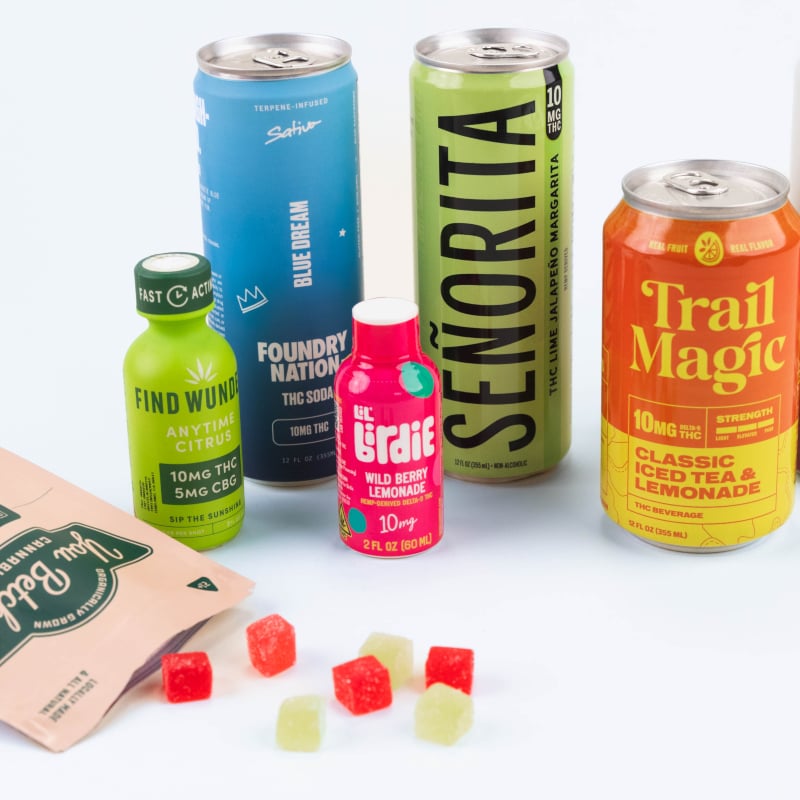

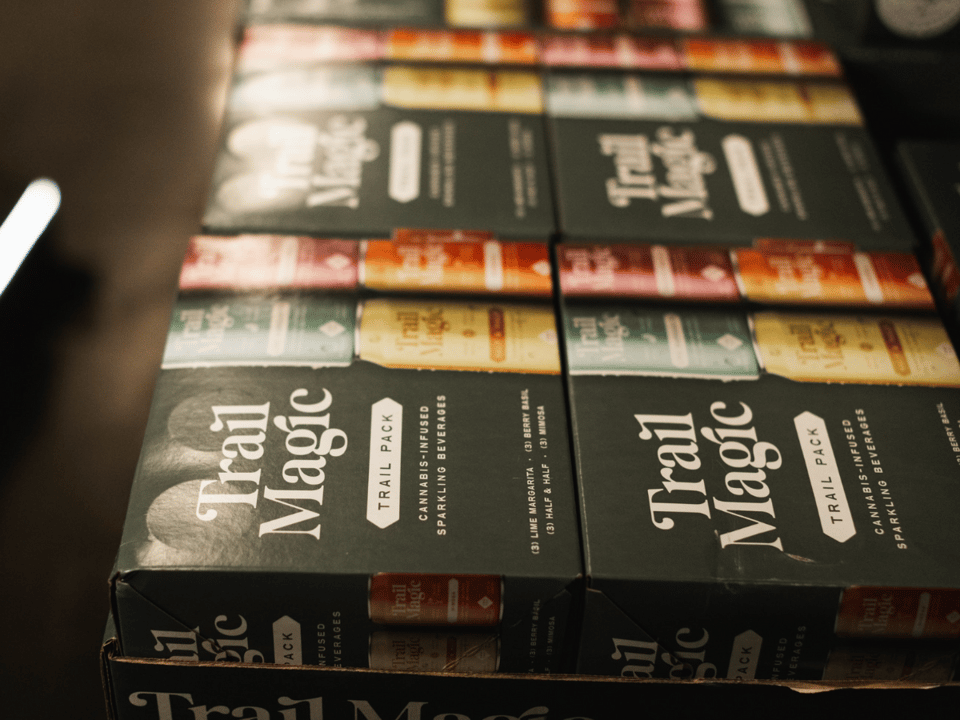
A THC beverage that flies off the shelf at one retailer might barely get noticed at another. The same goes for gummies, CBD products, and even the brands that seem to be generating the most attention. While consumer interest in cannabinoid products continues to develop, successful assortments aren't built around industry trends alone. They're shaped by the people shopping, the products those customers already buy, and how each store operates.
Consider the differences between a convenience store, a liquor store, and a specialty retailer. Customers come to each with different expectations, shopping habits, and levels of familiarity with the products available. A quick stop for something familiar creates a different purchasing environment than a visit to a store where customers expect to browse, compare brands, and ask questions.
For retailers evaluating their THC and CBD offerings, those differences should influence product selection. A thoughtful retail strategy considers format, potency, flavor, price, and assortment depth in the context of the store itself. Understanding what works for your customers is far more valuable than simply carrying what's popular elsewhere.
The Right Product Mix Starts with Knowing Your Store
The cannabinoid beverage category is gaining a stronger foothold in mainstream retail, but performance varies across channels. According to NielsenIQ's April 2026 analysis of THC beverages, tracked THC beverage sales reached $239 million over the latest 52-week period, growing 135% year over year. The report takes a look at how the category is developing across liquor, convenience, and food retail, highlighting the importance of understanding differences between channels.
The growth creates opportunities for you to evaluate cannabinoid products, but it doesn't provide a universal formula for building an assortment. Store size, available shelf space, refrigeration capacity, customer demographics, and existing beverage sales all influence which products make sense. Retailers also need to consider how much education shoppers may need and how employees can support those conversations.
A convenience store may benefit from a focused selection of recognizable products that customers can identify quickly. A liquor store might have more opportunity to introduce premium options or encourage shoppers to explore different flavors and formats. Specialty retailers may find that a carefully curated assortment and knowledgeable staff are more valuable than carrying the widest possible selection.
These distinctions aren't rigid rules. They're starting points for understanding how purchasing behavior can shape a THC beverage assortment or CBD product assortment.
Convenience Stores: Make Every Selection Count
Convenience stores are built around accessibility, familiar products, and efficient shopping. Customers often arrive with a specific purchase in mind and expect to find what they need without spending much time comparing options. That shopping behavior creates unique considerations for THC | CBD products.
A customer stopping for a beverage may notice a cannabinoid drink, but an unfamiliar brand or complicated product selection can make the decision less straightforward. In this case, it’s best to balance opportunities for discovery with the simplicity customers expect.
The category is already gaining traction in convenience retail. In March 2026, CSP Daily News reported NielsenIQ findings showing that convenience stores had become the second-largest retail channel for THC beverages among those tracked, behind liquor stores. The report also found that 42% of THC beverages sold in convenience stores contained 10 milligrams of THC during the 52 weeks ending March 7, 2026. That was the fastest-growing strength in the channel, according to NielsenIQ.
These findings are a good reminder not to assume convenience shoppers universally prefer the lowest available dose. Product strength is one consideration, but actual demand should guide assortment decisions.
Familiarity Helps Shoppers Make Decisions
For convenience retailers, recognizable formats can make unfamiliar products easier to evaluate. Canned THC beverages share many characteristics with other ready-to-drink products, including familiar flavors, package sizes, and branding. Gummies offer a compact format that may appeal to shoppers who already know which product they want.
You can use these familiar characteristics to make their assortment more approachable while ensuring intoxicating products remain clearly identified and appropriately displayed. An initial selection might prioritize a few distinct beverage flavors, clearly differentiated cannabinoid strengths, and a limited number of edible options where legally permitted. The goal is to give shoppers meaningful choices without requiring them to sort through an overwhelming number of similar products.
Consider the Space You Have
Convenience stores often have limited room for additional products. Refrigerated space is particularly valuable, so it's important to evaluate how cannabinoid beverages perform relative to other items in the cooler. Retailers should consider unit sales, gross margin, inventory turnover, and the amount of space each product requires.
For THC beverages, refrigeration may improve product visibility and align with familiar beverage-shopping habits, but placement must comply with applicable laws. Gummies and other nonbeverage edibles may have different display requirements.
A focused assortment gives convenience retailers room to evaluate customer interest before committing additional shelf space. As purchasing patterns become clearer, the selection can evolve to reflect products that demonstrate consistent demand.
Liquor Stores: Give Shoppers a Reason to Explore
Liquor stores offer a different shopping environment. Customers may arrive looking for a specific brand, but many are also accustomed to browsing, comparing products, and exploring new options. That behavior can create opportunities for a more developed THC | CBD assortment.
Cannabinoid beverages may attract adults interested in alcohol alternatives, new beverage experiences, or products associated with social occasions. Liquor retailers already have experience helping customers navigate flavor preferences, packaging options, and premium product positioning. These merchandising skills can help when evaluating cannabinoid beverages.
Build Around Flavor, Format, & Variety
A liquor store's THC beverage assortment may benefit from greater variety than a convenience-focused selection, particularly when customer interest supports it. Evaluate different flavor profiles, sparkling and noncarbonated options, package formats, and legally permitted cannabinoid strengths. Premium products may also deserve consideration if they offer meaningful differences in ingredients, formulation, or brand positioning. The key is giving shoppers a reason to choose one product over another.
A higher price doesn't automatically make a cannabinoid beverage more desirable, just as a higher dosage amount doesn't necessarily make it a better fit for the customer. Product differentiation should be clear enough that shoppers can understand what they're paying for.
Research from Headset's cannabis beverage category reporting illustrates how the beverage market differs from more established cannabis formats. Headset recorded approximately $261.8 million in U.S. beverage sales across its tracked regulated cannabis markets between October 2025 and September 2026.
The report also notes that these figures don't fully capture the emerging hemp-derived THC beverage market outside traditional dispensaries. For liquor retailers, this distinction matters because their customers and purchasing occasions may differ significantly from those in licensed cannabis stores.
Make Product Discovery Part of the Experience
Liquor stores often have more opportunities to organize products around customer interests and beverage preferences. A clearly identified cannabinoid beverage section can help shoppers understand the available selection. Retailers may also consider grouping products by format, flavor, or cannabinoid content to make comparisons easier.
Where permitted, thoughtful placement within the broader adult beverage shopping environment can support visibility and discovery. However, THC beverages must remain clearly distinguished from alcoholic and nonintoxicating products, and retailers should never imply that combining THC with alcohol is safe.
Staff knowledge can also be valuable in this environment. Employees who understand product characteristics and can explain labeled cannabinoid content may help customers navigate unfamiliar options without making promises about effects.
For liquor retailers, the opportunity is to apply established beverage merchandising experience to a developing category while recognizing that THC products carry additional safety and compliance responsibilities.
Specialty Retail: Make Expertise Part of the Assortment
Specialty retailers often serve customers who expect a more focused product selection and deeper category knowledge. That creates a different opportunity for THC | CBD products. Rather than competing primarily on convenience or broad availability, specialty stores may differentiate themselves through thoughtful curation, product familiarity, and a more educational shopping experience.
Customers visiting these stores may already know something about cannabinoids, or they may be seeking a retailer where they feel comfortable asking detailed questions. Both groups can benefit from a selection that has a clear purpose.
Curated Products Can Create a Stronger Identity
A specialty retailer doesn't necessarily need the largest assortment to provide a valuable shopping experience. Instead, the store may focus on products that reflect its customers' interests, such as particular cannabinoid profiles, beverage formats, or brands with distinctive characteristics.
For example, a retailer might carry a broader range of CBD products for adults specifically interested in nonintoxicating cannabinoid options. Another may emphasize compliant THC beverages with clearly differentiated strengths and flavors. The appropriate selection depends on the store's business model, legal authorization, and actual customer demand.
A curated assortment also gives employees an opportunity to become more familiar with the products they carry. That knowledge can support more useful conversations and help shoppers understand meaningful differences between options.
Education Can Set the Store Apart
Specialty retailers may encounter more detailed questions about product ingredients, cannabinoid content, manufacturing practices, and labeling. Staff should be prepared to explain these characteristics accurately and direct customers to reliable product information. They should also understand the limits of retail advice. Employees shouldn't make unsupported health claims, recommend THC for medical conditions, or predict how a product will affect an individual.
For customers interested in learning about cannabinoid products, access to accurate information can be an important part of the shopping experience. The Minnesota Office of Cannabis Management's hemp business resources provide guidance on product compliance, labeling, and licensing requirements that retailers can reference when developing internal education materials. Specialty retailers can use their category focus to create a more informed experience while maintaining the same commitment to responsible sales expected of other businesses.
Let Performance Shape Your Next Move
Your initial assortment is a starting point, not a permanent commitment. As customers become more familiar with THC | CBD products, their preferences may change. New brands and formats may enter the market, while some products that generated early excitement may struggle to maintain consistent sales.
Retailers can respond by establishing a regular process for reviewing category performance. For convenience stores, that might mean evaluating which products generate consistent movement within limited shelf space. Liquor retailers may focus on identifying the flavors, brands, and package formats that contribute to category growth. Specialty stores may place additional emphasis on customer feedback and demand for differentiated products. Across all three environments, retailers should avoid making major assortment changes based on a single strong sales period.
Seasonality, promotional activity, product availability, and merchandising changes can influence results. Reviewing performance over time provides a more reliable basis for deciding which products to retain, expand, or discontinue.
Regulatory developments also deserve ongoing attention. Minnesota's Office of Cannabis Management notes that federal hemp restrictions could significantly affect the legality of certain hemp-derived THC products. Retailers should review current federal, state, and local requirements before making inventory commitments, especially for products intended for sale beyond that date.
Build an Assortment That Fits Your Business
The right THC | CBD product mix isn't necessarily the one with the most brands, the greatest variety, or the strongest products. It's the assortment that reflects how customers shop and what they expect from your store. Convenience retailers may benefit from familiar formats and a focused selection. Liquor stores can explore broader beverage variety and premium positioning. Specialty retailers may benefit from curated products and deeper category education. These approaches may overlap, and none guarantees stronger sales. The important consideration is how well the selection aligns with the retailer's customers, available space, and business goals.
A thoughtful THC retail strategy also requires ongoing evaluation. Monitoring product performance, understanding customer feedback, and identifying unnecessary SKU overlap can help retailers refine their offerings as the category develops. With the right information and a clear understanding of their market, retailers can make more confident decisions about which THC | CBD products deserve a place in their store.