Beverage preferences are changing, but the story is bigger than “soda vs. everything else.”
Carbonated soft drinks still have a place in restaurants, bars, convenience stores, cafés, breakrooms, and foodservice programs. Many customers still want familiar fountain favorites and classic brands. At the same time, more people are looking for beverages that fit different needs throughout the day, including hydration, energy, lower sugar, wellness, food pairing, and variety.
That is where the non-carbonated beverage trend becomes important for businesses. Non-carbonated options are not just alternatives for people avoiding soda. They are part of a broader shift toward more personalized beverage choices and more occasion-based drinking.
For foodservice and retail operators, the opportunity is not to replace carbonated beverages. It is to build a more complete beverage mix that gives customers, guests, employees, and visitors more reasons to buy.
Non-Carbonated Beverages Are Still Growing
Non-carbonated beverages continue to be a meaningful part of the beverage conversation because customers are looking for more variety in more places.
That includes bottled water, flavored and enhanced waters, ready-to-drink teas and coffees, juices, juice blends, sports drinks, energy drinks, and functional beverages. These products can serve different customer needs throughout the day, from a morning caffeine option to a mid-shift hydration choice or an afternoon better-for-you beverage.
For businesses, this matters because beverage decisions are often tied to the moment. A customer stopping at a convenience store may want energy or hydration. A guest at a restaurant may want something that pairs well with lunch. An employee in a breakroom may want a quick drink that feels lighter than soda. A visitor in a waiting area may simply want water, coffee, or tea.
The more flexible your beverage portfolio is, the easier it is to meet those different occasions.
What Is Driving the Shift Toward Non-Carbonated Options?
The non-carbonated beverage trend is being shaped by health, function, flavor, and convenience.
Many customers are paying closer attention to sugar, calories, ingredients, and how a beverage fits into their daily routine. That does not mean every non-carbonated drink is automatically “healthy.” Juices, teas, coffees, and functional drinks can still contain sugar or other ingredients customers may want to evaluate. But many non-carbonated categories are positioned around benefits that matter to today’s consumers.
Common drivers include:
- Lower-sugar choices: Customers may look for drinks with less sugar than traditional soda or with more transparent ingredient lists.
- Hydration: Water, enhanced water, coconut water, sports drinks, and electrolyte beverages can appeal to people who want refreshment tied to hydration.
- Functional benefits: Some beverages are positioned around energy, gut health, immunity, focus, recovery, or overall wellness.
- Natural or familiar ingredients: Teas, juices, fruit blends, and lightly flavored waters can feel more familiar or approachable to some consumers.
- More variety: Customers want more than one default option. They may choose different beverages based on time of day, meal, mood, or activity.
This is why the trend is not limited to one category. It is not only about tea, water, juice, or functional beverages. It is about giving people more ways to choose a drink that fits the moment.
What This Means for Businesses
For restaurants, bars, cafés, convenience stores, and foodservice operators, non-carbonated beverages can support both customer experience and sales strategy.
A broader beverage mix helps serve health-focused guests without assuming everyone wants the same thing. Some customers may still order soda. Others may prefer tea, sparkling water, juice, energy drinks, or a functional option. When your business offers a thoughtful mix, you can meet more preferences without making the menu or cooler feel overwhelming.
Non-carbonated options can also create opportunities for higher-value choices. A bottled tea, specialty juice blend, premium water, or functional beverage may feel like an upgrade compared with a basic drink option. When these products are presented clearly, paired with food, or positioned as part of the experience, they can help increase the value of the order.
They can also help businesses differentiate. If nearby competitors offer the same limited beverage selection, a stronger non-carbonated lineup can make your business feel more current, more customer-aware, and more aligned with changing preferences.
The key is balance. Too few options can make the offering feel outdated. Too many can make ordering, stocking, and merchandising more complicated. The goal is to choose the right non-carbonated beverage options for your customers, your space, and your business model.
A Modern Non-Carbonated Beverage Portfolio to Consider
A strong beverage strategy usually includes a mix of familiar favorites, proven sellers, and a few trend-forward options.
Here are several non-carbonated categories businesses may want to consider:
- Flavored and enhanced waters: These can support hydration-focused customers and provide variety beyond plain bottled water.
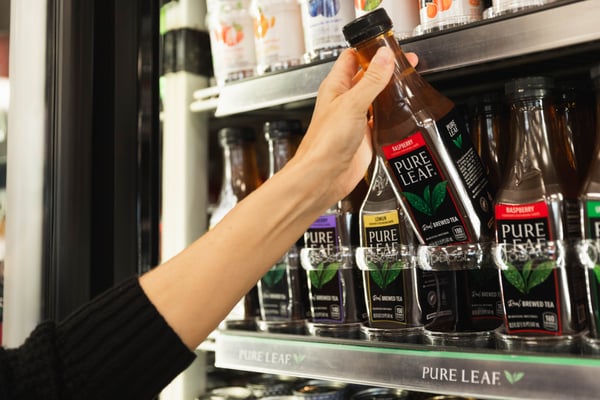
- Ready-to-drink teas: Unsweetened, lightly sweetened, flavored, and premium tea options can work well in foodservice, retail, and workplace settings.
- Ready-to-drink coffees: Coffee is not limited to the morning anymore. Cold brew, canned coffee, and other ready-to-drink formats can support convenience and premium positioning.
- Juices and juice blends: These can appeal to customers looking for fruit-forward flavors, breakfast pairings, or family-friendly options.
- Functional beverages: Electrolyte drinks, prebiotic options, energy drinks, and wellness-positioned beverages can support customers looking for more than refreshment.
- Non-alcoholic options with wider appeal: Restaurants and bars can use non-carbonated and non-alcoholic beverages to better serve guests who are not drinking alcohol but still want an intentional beverage experience.
The right mix will look different by segment. A fast-casual restaurant may focus on teas, flavored waters, and juice blends. A convenience store may prioritize single-serve hydration, energy, and functional beverages. A café may benefit from RTD coffee, tea, and premium water. A workplace or healthcare setting may need convenient options that support long shifts, wellness goals, and easy access.
How to Serve and Sell Non-Carbonated Beverages
Adding non-carbonated beverages is only part of the strategy. Businesses also need to make them easy to notice, understand, and choose.
Start with visibility. If non-carbonated options are hidden at the bottom of a cooler or listed as an afterthought, customers may not realize what is available. Use menu placement, cooler organization, signage, and staff recommendations to make the options clear.
Next, think about pairing. Teas, juices, enhanced waters, and functional beverages can be positioned with meals, snacks, breakfast items, lunch specials, or grab-and-go options. A beverage that feels connected to the occasion is easier to sell than one that simply sits on the shelf.
Front-line staff can also help. A quick suggestion such as “Would you like to try one of our flavored waters or teas with that?” can introduce customers to options they may not have considered. For restaurants and bars, staff can recommend non-carbonated choices for guests who want something refreshing, lower sugar, caffeine-free, or non-alcoholic.
Finally, review what sells. Product mix should not be static. Track what moves, what gets overlooked, and what customers ask for. Then adjust the lineup over time.
How Bernick’s Helps Businesses Build the Right Beverage Mix
The non-carbonated beverage trend creates opportunity, but it also creates more decisions.
Which products make sense for your audience? How much variety is enough? Which options belong in a fountain program, cooler, vending machine, micro market, café, or bar? How do you balance classic favorites with newer beverage preferences?
Bernick’s helps businesses navigate those decisions with product variety, category knowledge, and service-backed support. From soft drinks and fountain systems to water, tea, coffee, juice, energy drinks, snacks, vending, and micro market solutions, Bernick’s can help customers build beverage programs that fit their environment and the people they serve.
For some businesses, that may mean refreshing a cooler set. For others, it may mean expanding fountain options, adding bottled beverages, supporting a workplace micro market, or helping a restaurant or bar offer more intentional non-alcoholic choices.
The goal is not to chase every trend. It is to build a beverage mix that feels current, practical, and profitable.
Final Pour: Make Non-Carbonated Beverages Part of Your Strategy
Non-carbonated beverages are not just a side category. They are part of how customers think about health, flavor, convenience, energy, hydration, and experience.
Businesses that understand this shift can build beverage programs that serve more occasions and more preferences. With the right partner, you can offer variety without adding unnecessary complexity.
Looking for help building a beverage lineup that fits your customers, space, and goals? Connect with Bernick’s to talk through your options.